
The Meaning of SEO: What Does SEO Stand For?
SEO, the acronym that you often see in the realm of digital marketing, stands for Search Engine Optimization. But what does this term really mean and why is it so important in today’s online landscape?
Understanding SEO
SEO is the practice of optimizing your website and its content to improve its visibility in search engine results. In simpler terms, it involves making sure that your website appears higher up in search engine rankings when users search for relevant keywords or phrases.
Key Components of SEO
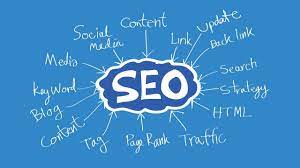
SEO encompasses various strategies and techniques to enhance a website’s visibility. This includes keyword research, on-page optimization, link building, and technical improvements to make your site more search engine-friendly.
Why SEO Matters
Effective SEO can drive organic traffic to your website, increase brand awareness, and ultimately lead to higher conversion rates. By appearing on the first page of search results, you are more likely to attract potential customers who are actively searching for products or services that you offer.
The Evolution of SEO
SEO practices have evolved over the years as search engines like Google constantly update their algorithms. Today, a successful SEO strategy requires a combination of quality content, user experience optimization, mobile-friendliness, and other factors that contribute to a positive online presence.
In Conclusion
SEO is not just a buzzword; it’s a fundamental aspect of digital marketing that can significantly impact your online success. By understanding and implementing effective SEO practices, you can position your website for long-term growth and visibility in an increasingly competitive online landscape.
Top 6 Benefits of SEO: Boosting Visibility, Traffic, and Brand Credibility
- Increased online visibility
- Higher website traffic
- Improved brand awareness
- Better user experience
- Enhanced credibility and trust
- Cost-effective marketing strategy
Challenges of SEO: Time Commitment, Delayed Results, Algorithm Changes, Technical Demands, High Competition, and Risk of Over-Optimisation
- SEO can be time-consuming and requires ongoing effort to maintain and improve.
- Results from SEO efforts may not be immediate and can take time to reflect in search engine rankings.
- SEO strategies need to adapt to frequent changes in search engine algorithms, making it a continuous learning process.
- Effective SEO often requires technical knowledge and expertise that may be challenging for beginners.
- Competing for high-ranking keywords in popular niches can be highly competitive and costly.
- Over-optimizing content for SEO purposes can lead to poor user experience and potential penalties from search engines.
Increased online visibility
Increased online visibility is a key advantage of SEO (Search Engine Optimization). By implementing effective SEO strategies, businesses can improve their website’s ranking on search engine results pages, making it more likely for users to discover their site when searching for relevant keywords or phrases. This heightened visibility not only drives more organic traffic to the website but also enhances brand awareness and credibility in the digital space. Ultimately, increased online visibility through SEO can lead to better engagement with target audiences and higher chances of converting visitors into customers.
Higher website traffic
One of the key benefits of SEO, or Search Engine Optimization, is the potential to drive higher website traffic. By implementing effective SEO strategies such as keyword optimization, content creation, and link building, websites can improve their visibility in search engine results. This increased visibility can attract more organic traffic to the site as it appears higher up in search rankings. As a result, businesses can reach a larger audience of potential customers who are actively searching for products or services related to their industry. Higher website traffic not only boosts brand awareness but also enhances the chances of converting visitors into valuable leads or customers.
Improved brand awareness
Enhancing brand awareness is a significant benefit of SEO (Search Engine Optimization). By strategically optimizing your website and content to rank higher in search engine results, you increase the visibility of your brand to a wider audience. Improved brand awareness means that more people become familiar with your products or services, leading to increased trust and credibility. As users see your brand consistently appearing in search results, they are more likely to recognise and remember your business, ultimately boosting brand loyalty and driving organic traffic to your website.
Better user experience
Improving user experience is a key advantage of SEO. By optimising website content, structure, and performance according to SEO best practices, businesses can enhance the overall experience for visitors. This includes faster loading times, easy navigation, relevant and engaging content, and mobile responsiveness. Ultimately, prioritising user experience through SEO not only satisfies visitors but also aligns with search engine algorithms that favour user-friendly websites, leading to increased traffic, engagement, and conversions.
Enhanced credibility and trust
Enhanced credibility and trust are key benefits of SEO (Search Engine Optimization). By implementing effective SEO strategies, businesses can improve their online visibility and rankings, making them more likely to be found by potential customers. When a website appears higher in search engine results, users tend to perceive it as more credible and trustworthy. This increased visibility not only enhances brand reputation but also fosters a sense of reliability among consumers, ultimately leading to greater engagement and conversions. In today’s competitive digital landscape, building credibility through SEO is essential for establishing a strong online presence and gaining the trust of your target audience.
Cost-effective marketing strategy
One significant advantage of SEO, which stands for Search Engine Optimization, is its cost-effectiveness as a marketing strategy. Unlike traditional advertising methods that often require substantial financial investments, SEO allows businesses to attract organic traffic to their websites without incurring high ongoing costs. By optimising their online presence and content for search engines, businesses can reach a targeted audience actively searching for their products or services, resulting in a higher return on investment compared to many other marketing approaches. This affordability makes SEO an attractive and sustainable choice for businesses looking to enhance their online visibility and drive conversions.
SEO can be time-consuming and requires ongoing effort to maintain and improve.
Implementing effective Search Engine Optimization (SEO) strategies can be a double-edged sword as it often demands a significant amount of time and continuous effort to uphold and enhance. From conducting keyword research to optimizing website content and building quality backlinks, the process of SEO is not a one-time task but rather an ongoing commitment. Constant monitoring, analysis, and adjustments are necessary to keep up with search engine algorithms and stay ahead of competitors. While the results of SEO can be rewarding in terms of increased organic traffic and visibility, the time-consuming nature of the practice remains a notable challenge for businesses aiming to maintain a strong online presence.
Results from SEO efforts may not be immediate and can take time to reflect in search engine rankings.
One drawback of Search Engine Optimization (SEO) is that the results of SEO efforts may not be immediate and can require patience before reflecting in search engine rankings. While SEO is a powerful digital marketing strategy for long-term success, it is important to understand that the impact on search engine rankings may take time to materialize. Consistent and strategic SEO practices are essential for improving visibility and organic traffic, but it is crucial to manage expectations regarding the timeline for seeing significant changes in search engine rankings as SEO is a gradual process that requires ongoing effort and monitoring.
SEO strategies need to adapt to frequent changes in search engine algorithms, making it a continuous learning process.
Adapting SEO strategies to keep up with the frequent changes in search engine algorithms poses a significant challenge for digital marketers and website owners. The dynamic nature of these algorithms means that staying ahead in the SEO game requires continuous learning and adjustment. Keeping abreast of the latest trends, updates, and best practices is essential to ensure that your website remains visible and competitive in search engine results. This constant evolution makes SEO not just a one-time task but a continuous learning process that demands agility and adaptability from those seeking to maintain and improve their online presence.
Effective SEO often requires technical knowledge and expertise that may be challenging for beginners.
Effective SEO often requires technical knowledge and expertise that may be challenging for beginners. From understanding complex algorithms to implementing website optimizations, mastering the intricacies of SEO can be daunting for those new to the field. Navigating technical aspects such as meta tags, schema markup, and site speed optimization demands a level of proficiency that may take time to develop. However, with dedication and a willingness to learn, beginners can gradually acquire the necessary skills to excel in the ever-evolving world of search engine optimization.
Competing for high-ranking keywords in popular niches can be highly competitive and costly.
Competing for high-ranking keywords in popular niches within the realm of SEO (Search Engine Optimization) can present a significant challenge due to the intense competition and associated costs. In such scenarios, businesses often find themselves engaged in fierce battles to secure top positions on search engine results pages, leading to increased expenses for keyword bidding and advertising. This competitiveness not only makes it harder for newer or smaller businesses to establish a strong online presence but also requires substantial financial investments to maintain visibility in saturated markets.
Over-optimizing content for SEO purposes can lead to poor user experience and potential penalties from search engines.
Over-optimizing content solely for SEO purposes can have detrimental effects on the overall user experience of a website. When content is stuffed with keywords or manipulated in a way that sacrifices readability and value for users, it can result in a frustrating browsing experience. Additionally, search engines like Google are increasingly penalising websites that engage in such practices, as they aim to prioritise high-quality, user-centric content. Striking a balance between SEO optimisation and user-friendly content is crucial to maintaining a positive online presence and avoiding potential penalties from search engines.
Leave a Reply