
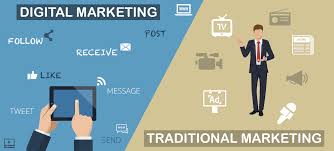
Digital Marketing vs. Traditional Marketing: A Comparative Analysis
In today’s fast-paced and technology-driven world, businesses have a plethora of marketing options at their disposal. Two primary approaches that often come into consideration are digital marketing and traditional marketing. Let’s delve into the key differences between these two strategies:
Traditional Marketing
Traditional marketing encompasses conventional methods such as print advertisements, television commercials, radio spots, billboards, and direct mail. While these tactics have been effective for decades, they often come with a hefty price tag and limited targeting capabilities.
One of the main advantages of traditional marketing is its ability to reach a broad audience quickly. However, measuring the success of traditional campaigns can be challenging, as tracking ROI is not always straightforward.
Digital Marketing
Digital marketing leverages online channels such as social media, search engines, email, and websites to promote products or services. This approach offers unparalleled targeting options, allowing businesses to tailor their messages to specific demographics or interests.
Unlike traditional marketing, digital campaigns are highly measurable. Marketers can track metrics such as website traffic, conversion rates, click-through rates, and engagement levels in real-time. This data-driven approach enables businesses to make informed decisions and optimise their strategies for better results.
The Future of Marketing
As consumer behaviour continues to shift towards digital platforms, the importance of digital marketing is on the rise. Businesses that embrace digital strategies are better positioned to adapt to changing trends and connect with tech-savvy audiences.
While traditional marketing still holds relevance in certain industries and target markets, its limitations in terms of reach and measurability make it less attractive for many modern businesses.
Conclusion
Ultimately, the choice between digital marketing and traditional marketing depends on factors such as budget, target audience, industry norms, and campaign objectives. By understanding the strengths and weaknesses of each approach, businesses can create integrated marketing strategies that maximise their reach and impact in today’s competitive landscape.
Exploring the Differences and Connections Between Digital and Traditional Marketing: Top 10 FAQs
- How does digital marketing relate to traditional marketing?
- What is the difference between direct marketing and traditional marketing?
- What is the difference between digital marketing and traditional marketing?
- What is the difference between digital and traditional?
- What is the traditional marketing?
- What is the difference between traditional marketing and modern marketing?
- What is difference between digital media and traditional media?
- What is digital and traditional?
- What is the difference between traditional and digital marketing?
- What is the difference between digital marketing and online marketing?
How does digital marketing relate to traditional marketing?
Digital marketing and traditional marketing are closely intertwined in today’s marketing landscape. While traditional marketing relies on traditional channels like print, TV, radio, and direct mail to reach audiences, digital marketing leverages online platforms such as social media, search engines, email, and websites for promotion. The relationship between the two lies in their shared goal of reaching and engaging target audiences effectively. Digital marketing often complements traditional strategies by offering more precise targeting options, real-time data analytics, and interactive engagement opportunities. By integrating both approaches strategically, businesses can create cohesive marketing campaigns that maximise their impact across diverse channels and audience segments.
What is the difference between direct marketing and traditional marketing?
When comparing direct marketing to traditional marketing, the key distinction lies in the targeted approach employed by direct marketing. Direct marketing involves reaching out to specific individuals or groups with personalised messages through channels like email, direct mail, or telemarketing. In contrast, traditional marketing typically relies on mass media platforms such as television, radio, print ads, and billboards to reach a broader audience. Direct marketing aims to establish one-on-one connections with potential customers, fostering a more personalised and interactive experience that can lead to higher engagement and conversion rates. On the other hand, traditional marketing focuses on broadcasting messages to a wider demographic without the same level of individual targeting or customisation.
What is the difference between digital marketing and traditional marketing?
When comparing digital marketing and traditional marketing, the key distinction lies in the channels and methods used to reach and engage with audiences. Digital marketing utilises online platforms such as social media, search engines, email, and websites to promote products or services, offering precise targeting and real-time tracking of campaign performance. In contrast, traditional marketing relies on conventional mediums like print advertisements, television commercials, radio spots, billboards, and direct mail to reach a broader audience but often lacks the same level of measurability and targeting precision. The shift towards digital strategies reflects the evolving consumer landscape and the need for businesses to adapt to changing trends in communication and advertising.
What is the difference between digital and traditional?
When comparing digital marketing and traditional marketing, the key difference lies in the channels and methods used to reach and engage with audiences. Traditional marketing relies on offline tactics such as print ads, TV commercials, radio spots, and billboards to promote products or services to a broad audience. On the other hand, digital marketing leverages online platforms like social media, search engines, email campaigns, and websites to target specific demographics or interests with more precision and interactivity. The shift towards digital strategies has revolutionised how businesses connect with consumers in a measurable and data-driven manner, setting it apart from the more traditional, but still relevant, marketing approaches.
What is the traditional marketing?
Traditional marketing refers to conventional promotional methods that have been used for decades to reach and engage audiences. This includes offline tactics such as print advertisements, television commercials, radio spots, billboards, and direct mail. Traditional marketing relies on established channels to convey brand messages and promote products or services to a broad audience. While these methods have been effective in the past, they often come with limitations in terms of targeting capabilities and measuring ROI compared to the more data-driven and targeted approach of digital marketing.
What is the difference between traditional marketing and modern marketing?
When comparing traditional marketing with modern marketing, the key difference lies in the methods and channels used to reach and engage with audiences. Traditional marketing typically refers to conventional approaches such as print advertisements, television commercials, and direct mail, which have been longstanding staples in the industry. On the other hand, modern marketing encompasses digital strategies like social media campaigns, search engine optimisation, email marketing, and content creation tailored for online platforms. The shift towards modern marketing is driven by the increasing prevalence of digital technologies and changing consumer behaviours, highlighting the need for businesses to adapt their strategies to effectively connect with audiences in today’s digital landscape.
What is difference between digital media and traditional media?
The key distinction between digital media and traditional media lies in their delivery channels and interaction levels. Digital media encompasses online platforms such as websites, social media, search engines, and email, offering dynamic and interactive content that can be targeted to specific audiences. In contrast, traditional media includes offline channels like print, television, radio, and outdoor advertising, which provide one-way communication with a broader but less targeted audience. While traditional media relies on mass reach and brand visibility, digital media enables precise targeting, real-time engagement tracking, and personalised messaging tailored to individual preferences. The shift towards digital media reflects the evolving consumer landscape and the increasing demand for customised, measurable marketing strategies in today’s interconnected world.
What is digital and traditional?
In the realm of marketing, the distinction between digital and traditional strategies is a common query. Digital marketing refers to promotional efforts conducted through online channels such as social media, search engines, email, and websites. On the other hand, traditional marketing encompasses conventional methods like print advertisements, television commercials, radio spots, billboards, and direct mail. While digital marketing leverages the power of technology for targeted and measurable campaigns, traditional marketing relies on offline tactics to reach a broader audience. Understanding the differences between these two approaches is crucial for businesses seeking to navigate the evolving landscape of modern marketing practices effectively.
What is the difference between traditional and digital marketing?
When exploring the disparity between traditional and digital marketing, it is essential to consider the fundamental variances in their methodologies and mediums. Traditional marketing relies on conventional channels like print, television, radio, and direct mail to reach a broad audience through tangible means. In contrast, digital marketing harnesses online platforms such as social media, search engines, email, and websites to engage with targeted demographics in a more interactive and measurable manner. While traditional marketing offers wide-reaching visibility, digital marketing provides precise audience targeting and real-time performance tracking, making it a preferred choice for businesses seeking cost-effective strategies with measurable outcomes in today’s tech-driven landscape.
What is the difference between digital marketing and online marketing?
When considering the difference between digital marketing and online marketing, it’s important to understand that digital marketing is a broader term that encompasses various online and offline channels, whereas online marketing specifically focuses on promoting products or services through internet-based platforms. While online marketing is primarily concerned with activities conducted on the internet, such as social media, websites, and email campaigns, digital marketing includes a more comprehensive range of tactics that may also involve offline channels like TV ads or mobile marketing. In essence, online marketing is a subset of digital marketing, highlighting the specific use of online channels for promotional purposes.
Leave a Reply