
The Importance of Effective Online Marketing Management
In today’s digital age, online marketing has become a crucial aspect of any business’s success. With the vast reach and influence of the internet, businesses need to have a strong online presence to connect with their target audience and drive growth. This is where effective online marketing management plays a vital role.
What is Online Marketing Management?
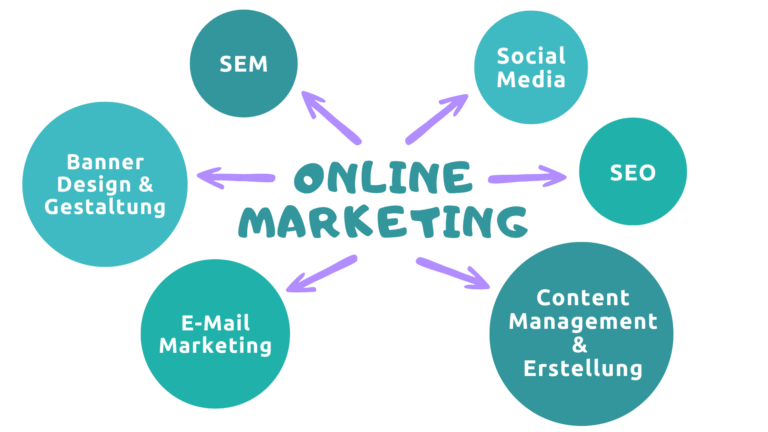
Online marketing management involves overseeing and implementing a company’s online marketing strategies to achieve its goals. It encompasses various aspects such as search engine optimisation (SEO), social media marketing, email campaigns, content creation, and more. By effectively managing these components, businesses can enhance their visibility, engage with their audience, and ultimately drive conversions.
The Benefits of Online Marketing Management
Increased Brand Awareness: By implementing a comprehensive online marketing strategy, businesses can increase their brand visibility across various digital platforms.
Targeted Reach: Online marketing allows businesses to target specific demographics and reach potential customers who are likely to be interested in their products or services.
Data-Driven Decision Making: With online marketing tools and analytics, businesses can track the performance of their campaigns in real-time and make data-driven decisions to optimise their strategies for better results.
Improved Customer Engagement: Effective online marketing management helps businesses engage with their audience through interactive content, social media interactions, email communications, and more.
Key Strategies for Successful Online Marketing Management
Develop a Comprehensive Digital Marketing Plan: Outline your goals, target audience, key messages, and channels to be used for your online marketing efforts.
Utilise SEO Best Practices: Optimise your website content for search engines to improve your organic search rankings and drive more traffic to your site.
Engage with Your Audience: Create compelling content that resonates with your target audience and encourages them to interact with your brand through likes, shares, comments, etc.
Monitor Performance Metrics: Track key performance indicators (KPIs) such as website traffic, conversion rates, click-through rates (CTRs), etc., to evaluate the effectiveness of your online marketing campaigns.
In Conclusion
Effective online marketing management is essential for businesses looking to thrive in today’s competitive digital landscape. By implementing a well-planned strategy that leverages various online channels and engages with the target audience effectively, businesses can achieve sustainable growth and success in the long run.
Essential FAQs on Online Marketing Management: Strategies, Benefits, and Best Practices
- What are the three types of online marketing?
- What are the various types of online marketing?
- What are the benefits of online marketing?
- What are the 7 C’s of online marketing?
- Is a 3 month digital marketing course worth it?
- How is online marketing done?
- What is the 70/20/10 rule in digital marketing?
What are the three types of online marketing?
In the realm of online marketing management, there are three primary types of online marketing strategies that businesses commonly utilise to reach and engage with their target audience. The first type is search engine marketing (SEM), which involves increasing a website’s visibility on search engine results pages through paid advertising methods such as pay-per-click (PPC) campaigns. The second type is social media marketing, where businesses leverage social platforms like Facebook, Instagram, and Twitter to connect with their audience, build brand awareness, and drive engagement. Lastly, content marketing plays a crucial role in online marketing by creating valuable and relevant content to attract and retain customers, ultimately driving profitable customer action. By incorporating these three types of online marketing into their overall strategy, businesses can effectively enhance their online presence and achieve their marketing goals.
What are the various types of online marketing?
When exploring the realm of online marketing management, it is essential to understand the diverse types of strategies that can be employed to enhance a business’s digital presence. Some common types of online marketing include search engine optimisation (SEO), social media marketing, email marketing, content marketing, pay-per-click (PPC) advertising, affiliate marketing, and influencer marketing. Each of these approaches offers unique benefits and can be tailored to suit different business objectives and target audiences. By utilising a combination of these online marketing tactics strategically, businesses can effectively reach their target audience, drive engagement, and ultimately achieve their desired outcomes in the digital landscape.
What are the benefits of online marketing?
Online marketing offers a multitude of benefits for businesses seeking to expand their reach and engage with their target audience effectively. Some key advantages of online marketing include increased brand visibility and awareness, targeted reach to specific demographics, data-driven decision-making through analytics, improved customer engagement through interactive content, social media interactions, and email communications. By harnessing the power of online marketing strategies, businesses can enhance their online presence, drive conversions, and build lasting relationships with their customers in the digital realm.
What are the 7 C’s of online marketing?
The 7 C’s of online marketing refer to a strategic framework that businesses can utilise to enhance their digital marketing efforts. These 7 C’s include content, context, community, customization, communication, connection, and commerce. By focusing on creating valuable content tailored to the target audience, understanding the context in which the marketing messages are delivered, building a community of engaged followers, personalising the user experience, fostering effective communication, establishing meaningful connections with customers, and driving conversions through e-commerce strategies, businesses can develop a comprehensive online marketing strategy that resonates with their audience and drives success in the digital realm.
Is a 3 month digital marketing course worth it?
When considering whether a 3-month digital marketing course is worth it, it’s essential to weigh the potential benefits against your specific goals and circumstances. Such a course can provide valuable insights into the ever-evolving world of online marketing, equipping you with practical skills and knowledge to enhance your career prospects or boost your business’s online presence. Additionally, the structured curriculum and hands-on experience offered in a 3-month course can expedite your learning process and help you stay ahead in the competitive digital landscape. Ultimately, the value of a digital marketing course lies in how well it aligns with your objectives and how effectively you can apply the learnings gained to achieve tangible results in your endeavours.
How is online marketing done?
Online marketing is carried out through a strategic combination of digital channels and techniques aimed at promoting a brand, product, or service online. It involves various practices such as search engine optimisation (SEO), social media marketing, email campaigns, content creation, pay-per-click advertising, and more. By leveraging these tools effectively, businesses can reach their target audience, drive traffic to their websites, engage with customers, and ultimately achieve their marketing objectives. Successful online marketing is characterised by a well-thought-out strategy, consistent monitoring of performance metrics, and continuous adaptation to market trends to maximise results and stay ahead in the digital landscape.
What is the 70/20/10 rule in digital marketing?
The 70/20/10 rule in digital marketing is a widely recognised principle that outlines how businesses should allocate their resources for content creation and distribution. According to this rule, 70% of content should be based on proven strategies and core business objectives, 20% should involve exploring new ideas and innovative approaches, and the remaining 10% can be dedicated to experimental or risky content. By following the 70/20/10 rule, businesses can strike a balance between consistency and innovation in their digital marketing efforts, ultimately maximising their chances of engaging with their target audience effectively and achieving desired results.
Leave a Reply