
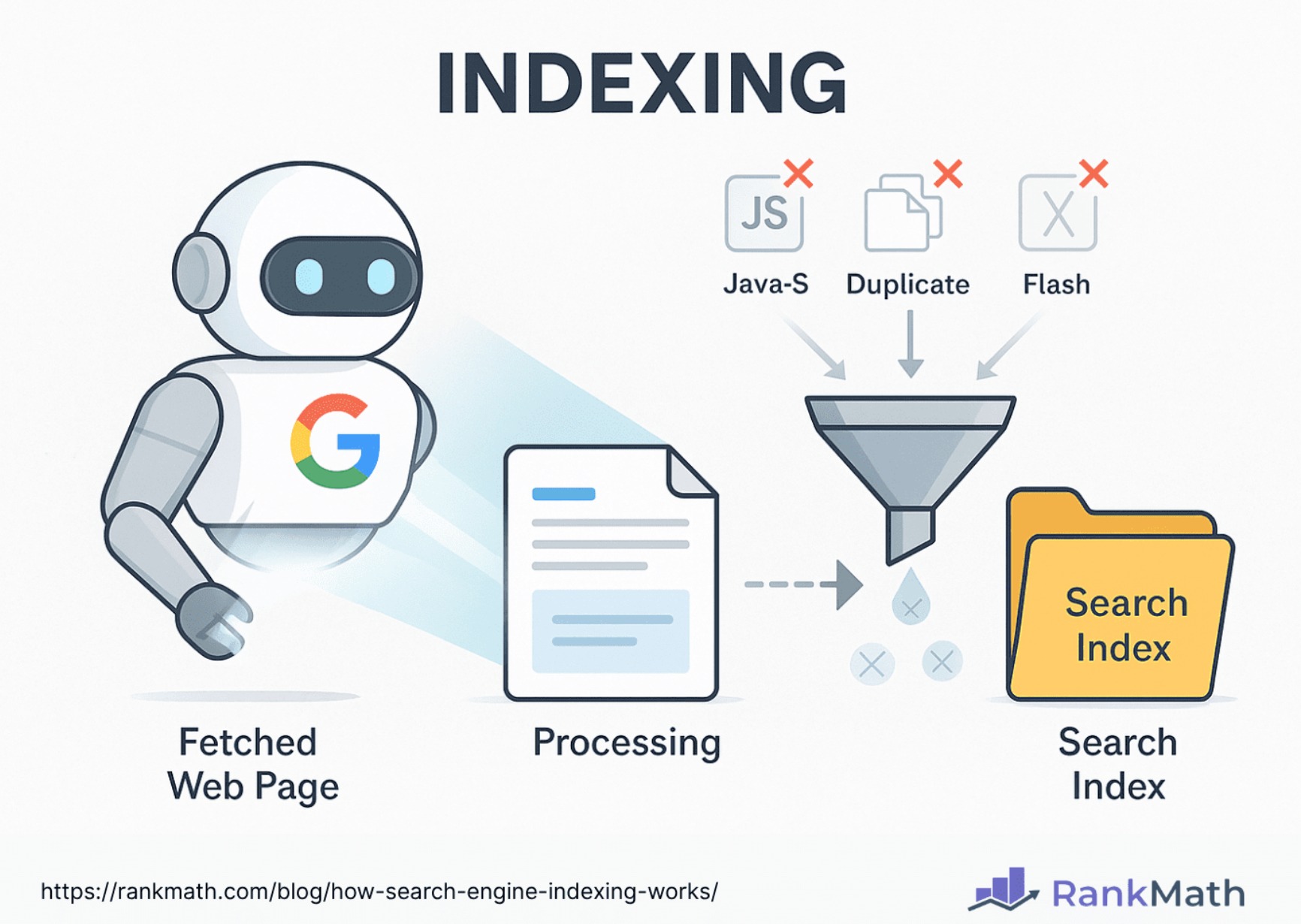
The Power of Google Search Engine
Google, the world’s most popular search engine, has revolutionised the way we access information online. Founded in 1998 by Larry Page and Sergey Brin, Google quickly became synonymous with web search, setting the standard for accuracy, speed, and relevance.
With its sophisticated algorithms and vast index of websites, Google can retrieve results for almost any query in a matter of milliseconds. The search engine’s ability to understand user intent and deliver highly targeted results has made it an indispensable tool for billions of people around the globe.
Google’s success lies in its commitment to providing users with the most relevant and authoritative information available. Through continuous updates and improvements to its search algorithms, Google ensures that users receive accurate and up-to-date results for their queries.
In addition to traditional web search, Google offers a range of specialized search services, including image search, video search, news search, and more. These features make it easy for users to find specific types of content quickly and efficiently.
Google’s influence extends far beyond just web search. The company’s suite of products and services, including Gmail, Google Maps, YouTube, and Android OS, have become integral parts of our daily lives. This ecosystem of interconnected tools allows users to access information, communicate with others, navigate the world around them, and much more.
As Google continues to innovate and expand its offerings, one thing remains clear: the power of the Google search engine is unmatched in its ability to connect people with the information they need when they need it. Whether you’re looking for answers to a question or seeking out new opportunities, Google is there to help you navigate the vast expanse of the internet with ease.
Mastering Google Search: 5 Essential Tips for Precision and Efficiency
- Use quotation marks to search for an exact phrase.
- Utilize the minus sign to exclude specific words from your search results.
- Try using the ‘site
- Use the ‘related
- Utilize the ‘filetype
Use quotation marks to search for an exact phrase.
When using Google Search, a helpful tip is to use quotation marks to search for an exact phrase. By enclosing your search query in quotation marks, you instruct Google to look for the specific words in the exact order you’ve entered them. This can be particularly useful when you’re looking for a precise match or trying to find results that contain a specific phrase. Using quotation marks can help refine your search results and make them more relevant to your query.
Utilize the minus sign to exclude specific words from your search results.
When using Google Search Engine, a helpful tip is to utilise the minus sign to exclude specific words from your search results. By placing a minus sign (“-“) directly in front of a word or phrase, you can refine your search and ensure that results containing that term are excluded. This feature is particularly useful when you want to narrow down your search and focus on specific information while filtering out irrelevant content. By mastering this simple yet effective technique, you can enhance the precision and relevance of your search results on Google.
Try using the ‘site
When utilising Google’s search engine, a helpful tip is to try using the ‘site:’ operator followed by a specific website domain to narrow down search results to that particular site. This feature can be particularly useful when you are looking for information within a specific website or domain, enabling you to focus your search and find relevant content more efficiently. By incorporating the ‘site:’ operator into your search query, you can streamline your search process and access the information you need from a specific website with ease.
Use the ‘related
When utilising Google search engine, a valuable tip is to make use of the ‘related:’ operator followed by a specific website URL. This feature allows users to discover websites that are similar in content or theme to the specified URL, providing a quick and efficient way to explore related resources and expand one’s knowledge on a particular topic of interest. By incorporating the ‘related:’ operator into your search queries, you can uncover a wealth of relevant information and delve deeper into subjects that pique your curiosity.
Utilize the ‘filetype
When using Google Search Engine, a valuable tip is to make use of the ‘filetype’ operator to refine your search results. By adding ‘filetype:pdf’ or ‘filetype:doc’ to your query, you can specifically target PDF or Word document files, respectively. This can be particularly useful when looking for specific types of information or research materials in a particular format. Leveraging the ‘filetype’ operator enhances search precision and efficiency, enabling you to access the exact content you need with greater ease.
Leave a Reply