
Digital 360 Marketing: A Complete Guide to Reaching Customers Online
Customers rarely discover a brand through just one channel. They might see a social media post, search for a product online, read reviews and then visit a website before making a decision. Digital 360 marketing brings these interactions together, creating a connected experience across the digital channels a business uses.
What is digital 360 marketing?
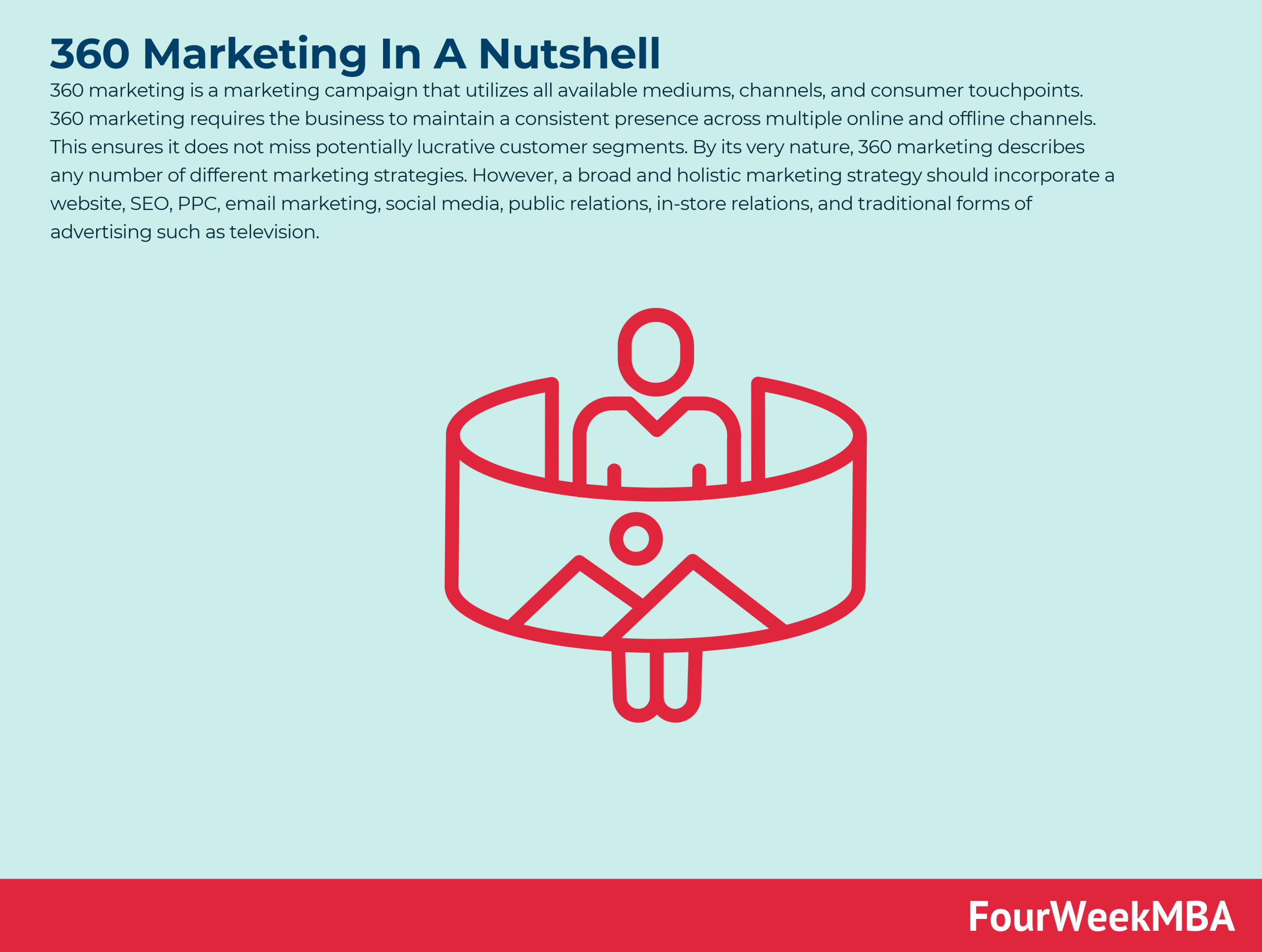
Digital 360 marketing is an integrated approach to promoting a business online. Rather than treating each channel as a separate activity, it aligns them around shared objectives, consistent messages and a clear understanding of the customer journey.
A digital 360 strategy may include search engine optimisation (SEO), paid advertising, social media, email marketing, content, video, website improvements and analytics. The right mix depends on the organisation, its audience and its goals. The aim is not to be present everywhere, but to make each relevant channel work together.
Why an integrated approach matters
When marketing channels operate in isolation, customers can receive inconsistent messages and businesses may struggle to understand which activities are working. A joined-up approach helps create a more coherent experience, from first discovery through to purchase and ongoing engagement.
- Consistent communication: Campaigns can share a recognisable tone, offer and visual identity across channels.
- Better customer journeys: Each interaction can guide people towards a useful next step, such as reading a guide, requesting a quote or completing a purchase.
- More informed decisions: Performance data from different channels can reveal what attracts, engages and converts customers.
- Efficient use of resources: Strong content and insights can often be adapted for several platforms, rather than created from scratch each time.
The main elements of a digital 360 strategy
Audience and customer journey
Start by understanding who you want to reach, what they need and how they make decisions. Consider the questions they ask, the barriers they face and the channels they use at different stages. This provides a practical foundation for choosing messages and marketing activities.
A clear website experience
Your website is often the hub of your digital activity. It should explain what you offer, make it easy for visitors to find information and provide clear next steps. Mobile usability, page speed, accessibility and straightforward navigation all contribute to a better experience.
Search visibility
SEO helps people find your business when they search for relevant products, services or information. It involves creating useful content, organising pages clearly and addressing technical factors that affect how search engines understand a website. Paid search can complement SEO by placing targeted adverts in front of people with relevant intent.
Useful content
Articles, guides, case studies, videos and other content can answer questions and demonstrate expertise. Effective content is created for a specific audience and purpose. It should offer genuine value rather than simply repeat promotional messages.
Social media and community
Social platforms can help businesses share content, build awareness and engage with customers. The best platform choices depend on where an audience spends time and what kind of communication suits the business. Regular, considered activity is generally more valuable than trying to maintain a presence on every platform.
Email and customer retention
Email marketing can support relationships after an initial visit or purchase. Newsletters, updates and automated messages can be tailored to people’s interests and actions, provided the communications are relevant and sent in line with applicable privacy and data protection requirements.
Measurement and optimisation
Measurement helps show whether marketing activity is contributing to business goals. Depending on the objective, useful indicators may include qualified enquiries, sales, conversion rates, organic traffic, engagement or customer retention. Reviewing results regularly allows a business to improve its approach over time.
How to build a digital 360 marketing plan
- Set specific objectives. Decide what the marketing programme needs to achieve, such as increasing qualified leads, growing online sales or improving customer retention.
- Research your audience. Use customer conversations, website data and market research to understand needs, preferences and decision-making habits.
- Review your current activity. Assess your website, content, search performance, social channels, advertising and email communications. Identify strengths, gaps and duplication.
- Choose the right channels. Prioritise the channels most likely to reach your audience and support your objectives. A focused plan is easier to manage and measure.
- Coordinate content and messaging. Plan how campaigns will work across channels, while adapting the format and tone to suit each platform.
- Track meaningful results. Connect marketing measures to business outcomes, then use what you learn to refine budgets, content and targeting.
Common challenges to avoid
Digital 360 marketing does not mean launching every possible channel at once. Spreading resources too thinly can lead to inconsistent activity and weak results. Another common mistake is focusing on visible metrics, such as likes or impressions, without checking whether they support the wider business objective.
It is also important to keep data, technology and teams aligned. Clear responsibilities, reliable measurement and regular communication can help prevent disconnected campaigns. As customer expectations and digital platforms change, strategies should be reviewed and updated rather than treated as fixed plans.
Bringing it all together
Digital 360 marketing is about creating a connected, customer-focused approach to online promotion. By combining the right channels, sharing consistent messages and learning from performance data, businesses can make each interaction more useful and each marketing activity more purposeful.
The strongest strategy is not necessarily the most complex. It is one built around clear goals, a genuine understanding of customers and the discipline to keep improving.
Understanding Digital Marketing 360: Key Questions and Insights
- Who is marketing 360?
- What is the 360 marketing method?
- How do you do a 360-degree marketing plan?
- What is a 360 approach?
- What are the 5Ds of digital marketing?
- Is marketing 360 worth it?
- What is an example of a 360 marketing campaign?
- What is a 360 marketing campaign?
- How much does Marketing 360 cost per month?
Who is marketing 360?
“Marketing 360” usually refers to a comprehensive, integrated approach to marketing rather than a specific person. It brings together channels such as SEO, social media, content, email and advertising to create a consistent customer experience. Depending on the context, “Marketing 360” may also be the name of a particular company or service.
What is the 360 marketing method?
The 360 marketing method is an integrated approach that connects a business’s marketing channels to create a consistent experience for customers. It may combine digital channels such as a website, search engines, social media, email and online advertising with offline activity where relevant. Each channel supports the same overall objectives and messaging, helping customers encounter a joined-up brand experience at different stages of their journey.
How do you do a 360-degree marketing plan?
To create a 360-degree marketing plan, start by setting clear business goals and researching your target audience, including their needs and the channels they use. Map the customer journey, then choose a coordinated mix of relevant channels—such as your website, SEO, social media, email and advertising—with consistent messaging across them. Set a budget, assign responsibilities and define measurable KPIs, such as qualified enquiries, sales or customer retention. Once the plan is running, review performance regularly and use the results to improve your campaigns.
What is a 360 approach?
A 360 approach is an integrated way of planning marketing around the whole customer journey, rather than treating each channel as a separate activity. It brings together relevant touchpoints—such as a website, search, social media, email, advertising and content—so they share consistent messages and work towards the same goals. The channels chosen depend on the audience and the business, with performance reviewed to understand what is working and improve the overall experience.
What are the 5Ds of digital marketing?
The 5Ds of digital marketing are digital devices (such as smartphones, computers and tablets), digital platforms (including search engines, social media and websites), digital media (the content and communications people encounter online), digital data (information gathered about audiences and their interactions) and digital technology (the tools and systems used to create, deliver and measure marketing). Together, they help businesses understand how people connect with brands and plan more relevant, joined-up digital experiences.
Is marketing 360 worth it?
Yes, marketing 360 can be worth it when the channels are chosen to suit your audience and business goals. By coordinating activities such as SEO, social media, email and paid advertising, you can create a more consistent customer journey and understand how each channel contributes to results. It does require planning, suitable resources and ongoing measurement, so it is not about using every channel at once. Start with clear objectives, prioritise the channels most likely to reach your customers, and review performance regularly to ensure the investment is delivering value.
What is an example of a 360 marketing campaign?
A good example of a 360 marketing campaign is a retailer launching a new product through coordinated online and offline activity. The campaign might combine social media videos and influencer content with search adverts, email offers, in-store displays and public relations. Each channel uses consistent branding and messaging, while directing customers to a product page or shop. Results such as website visits, enquiries, sales and engagement are then measured to see which parts of the campaign were most effective.
What is a 360 marketing campaign?
A 360 marketing campaign is an integrated campaign that reaches people across the channels they use, such as websites, search engines, social media, email, print and events. Each activity supports the same overall goal and carries a consistent message, while being tailored to suit its channel. The aim is to create a connected customer experience from initial awareness through to purchase and beyond—not simply to appear everywhere.
How much does Marketing 360 cost per month?
The monthly cost of Marketing 360 depends on the services you need, such as website support, SEO, social media management and paid advertising. Any advertising spend may be charged separately from service fees, so check exactly what a package includes before committing. For an accurate figure, request a tailored quote based on your goals, channels and budget.
Leave a Reply