
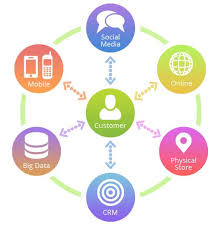
The Power of Omnichannel Digital Marketing
In today’s fast-paced digital landscape, businesses are constantly seeking innovative ways to engage with their audience and drive conversions. One strategy that has gained significant traction in recent years is omnichannel digital marketing. This approach focuses on creating a seamless and integrated experience for customers across multiple channels, both online and offline.
What is Omnichannel Digital Marketing?
Omnichannel digital marketing involves the use of various channels – such as social media, email, mobile apps, websites, and physical stores – to deliver a unified message to customers. The key difference between omnichannel and multichannel marketing is the emphasis on consistency and continuity of the customer experience across all touchpoints.
The Benefits of Omnichannel Marketing
By implementing an omnichannel digital marketing strategy, businesses can reap numerous benefits:
- Enhanced Customer Experience: Customers expect a seamless transition between online and offline channels. With omnichannel marketing, businesses can provide a consistent brand experience regardless of the channel customers choose to interact with.
- Improved Customer Engagement: By engaging customers across multiple touchpoints, businesses can build stronger relationships with their audience. Personalised messaging based on customer preferences and behaviour can lead to higher engagement and conversion rates.
- Data-Driven Insights: Omnichannel marketing allows businesses to collect data from various sources, providing valuable insights into customer behaviour and preferences. This data can be used to refine marketing strategies and tailor communications for better results.
- Increased Sales and ROI: A cohesive omnichannel strategy can lead to increased sales by guiding customers through the buying journey seamlessly. By delivering targeted messages at the right time through the right channel, businesses can improve their return on investment.
Implementing an Omnichannel Strategy
To successfully implement an omnichannel digital marketing strategy, businesses should consider the following key steps:
- Understand Your Audience: Conduct thorough research to understand your target audience’s preferences, behaviours, and communication channels.
- Create Consistent Messaging: Develop a unified brand message that resonates across all channels while adapting it to suit each platform’s unique requirements.
- Utilise Technology: Invest in tools and platforms that facilitate seamless integration across different channels for a cohesive customer experience.
- Analyse Performance: Regularly monitor and analyse campaign performance data to identify areas for improvement and optimisation.
The Future of Omnichannel Marketing
In an increasingly competitive digital landscape, businesses that embrace omnichannel digital marketing are poised for success. By prioritising customer experience, engagement, data-driven insights, and sales growth, companies can stay ahead of the curve and deliver exceptional value to their audience.
Embrace the power of omnichannel digital marketing today to unlock new opportunities for your business in a connected world!
Understanding Omnichannel Digital Marketing: Key Concepts and Examples
- What is the 3-3-3 rule in marketing?
- What is omnichannel digital marketing?
- What is an example of omni channel marketing?
- What is omni channel with an example?
- What is the meaning of digital omnichannel?
- What is omnichannel and examples?
- What is the concept of omnichannel?
- What’s an example of an omnichannel?
- What is an example of omnichannel marketing?
What is the 3-3-3 rule in marketing?
The 3-3-3 rule in marketing refers to a strategic approach that focuses on delivering the right message to the right audience at the right time. This rule emphasises the importance of personalisation, relevance, and timing in marketing campaigns. By understanding the target audience’s preferences, behaviours, and needs, businesses can tailor their messaging to resonate with customers effectively. Implementing the 3-3-3 rule helps create a more engaging and impactful marketing strategy that drives customer engagement and ultimately leads to higher conversion rates.
What is omnichannel digital marketing?
Omnichannel digital marketing refers to a strategic approach that integrates multiple online and offline channels to create a seamless and cohesive customer experience. Unlike multichannel marketing, which focuses on using various channels independently, omnichannel marketing ensures consistency across all touchpoints. By leveraging channels such as social media, email, websites, mobile apps, and physical stores, businesses can deliver a unified message to customers, enhancing engagement and driving conversions. The key principle of omnichannel marketing is to provide customers with a consistent brand experience regardless of the channel they choose to interact with, ultimately leading to improved customer satisfaction and loyalty.
What is an example of omni channel marketing?
An exemplary illustration of omnichannel marketing can be seen in the seamless integration of a retail brand’s online and offline channels. For instance, a customer browsing products on the brand’s website can receive personalised recommendations based on their online activity. If the customer visits a physical store, the staff can access their online shopping history and preferences to provide tailored assistance. Subsequently, the customer may receive follow-up communications via email or social media, ensuring a consistent and cohesive brand experience across multiple touchpoints. This holistic approach exemplifies how omnichannel marketing enhances customer engagement and fosters loyalty through a unified and personalised journey.
What is omni channel with an example?
Omnichannel marketing refers to a strategic approach that integrates multiple channels to provide customers with a seamless and consistent experience across all touchpoints. An example of omnichannel marketing is a retail brand that allows customers to browse products online, make purchases in-store or through a mobile app, and receive personalised recommendations via email. By connecting these channels and ensuring a unified brand experience, the retailer creates a cohesive journey for customers, regardless of how they choose to interact with the brand. This interconnected approach enhances customer engagement, fosters loyalty, and ultimately drives conversions by meeting the needs and preferences of consumers at every stage of their buying journey.
What is the meaning of digital omnichannel?
Digital omnichannel refers to a strategic approach in marketing that focuses on creating a seamless and integrated experience for customers across various digital channels. It involves the use of online platforms such as websites, social media, email, mobile apps, and other digital touchpoints to deliver a cohesive brand message and customer journey. The essence of digital omnichannel lies in ensuring consistency and continuity in customer interactions regardless of the channel they choose to engage with. By leveraging the power of digital technology and data integration, businesses can provide personalised and targeted experiences that enhance customer engagement, drive conversions, and build long-lasting relationships with their audience.
What is omnichannel and examples?
Omnichannel marketing refers to a strategy that integrates multiple channels – such as social media, email, websites, mobile apps, and physical stores – to create a seamless and unified customer experience. In an omnichannel approach, businesses ensure consistency in messaging and branding across all touchpoints to provide customers with a cohesive journey regardless of the channel they choose to interact with. Examples of omnichannel marketing include a retailer offering customers the option to browse products online, make purchases via a mobile app, and pick up orders in-store. Another example is a company sending personalised email promotions based on a customer’s browsing history on their website. These examples illustrate how businesses can leverage various channels to engage customers effectively and drive conversions through an integrated omnichannel strategy.
What is the concept of omnichannel?
The concept of omnichannel in digital marketing revolves around creating a seamless and integrated experience for customers across various online and offline channels. Unlike multichannel marketing, which focuses on using multiple channels independently, omnichannel marketing aims to provide a consistent brand message and customer journey regardless of the channel or touchpoint. By unifying the customer experience across all channels – such as websites, social media, mobile apps, and physical stores – businesses can engage with their audience more effectively, build stronger relationships, and drive higher levels of engagement and conversion. The key principle of omnichannel is to ensure that customers receive a cohesive and personalised experience throughout their interaction with the brand, leading to improved satisfaction and loyalty.
What’s an example of an omnichannel?
An example of an omnichannel experience can be seen in the retail sector, where a customer interacts with a brand across multiple touchpoints seamlessly. For instance, a customer may browse products on a retailer’s website, add items to their online shopping cart, receive personalised recommendations via email based on their browsing history, visit the physical store to try out the products in person, and then make the final purchase through the retailer’s mobile app. In this scenario, the customer enjoys a consistent and integrated experience regardless of the channel they choose to engage with, showcasing the power of omnichannel marketing in providing a cohesive journey for customers.
What is an example of omnichannel marketing?
An excellent example of omnichannel marketing is the seamless integration of online and offline channels by a retail brand. For instance, a customer may browse products on the brand’s website, receive personalised recommendations via email based on their browsing history, visit a physical store to try out the products, make a purchase through the brand’s mobile app, and receive post-purchase follow-up communication through social media. This cohesive experience across multiple touchpoints showcases how omnichannel marketing creates a consistent and tailored journey for customers, ultimately enhancing their overall shopping experience and fostering brand loyalty.
Leave a Reply