
What Does an Online Advertising Marketer Do?
An online advertising marketer plans, creates and manages paid campaigns across digital channels. The aim is to reach the right people, encourage them to take action and make effective use of the advertising budget. Depending on the business, that action might be making a purchase, booking an appointment, requesting a quote or signing up to a newsletter.
Online advertising can help businesses raise awareness, attract new customers and support sales. But successful campaigns involve more than simply publishing an advert. They rely on clear objectives, audience research, persuasive creative work and regular measurement.
Where online advertising marketers work
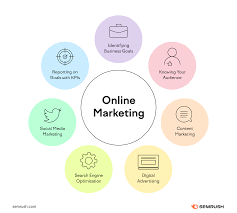
Online advertising marketers may work in-house for a business, at a marketing agency or as independent consultants. Their work can cover a range of platforms and formats, including:
- Search advertising: Paid listings shown in search engine results when people look for particular products, services or information.
- Social media advertising: Campaigns on platforms such as Instagram, Facebook, LinkedIn and TikTok.
- Display advertising: Image, animation or text adverts shown on websites and apps.
- Video advertising: Promotional videos placed before, during or alongside online video content.
- Shopping adverts: Product listings that may include an image, price and retailer details.
- Remarketing: Advertising aimed at people who have previously visited a website or interacted with a business.
Typical responsibilities
The exact duties vary, but an online advertising marketer commonly researches audiences, chooses suitable channels and prepares campaign plans. They may write advert copy, brief designers or video producers, set budgets and configure targeting. Once campaigns are live, they monitor performance and make adjustments where needed.
This can include testing different headlines, images, audiences or landing pages. Small changes can make a significant difference, so marketers use campaign data to identify what is working rather than relying on guesswork.
Important skills
A good online advertising marketer combines analytical thinking with creativity. They need to understand how advertising platforms work, but also how to communicate a product’s value clearly. Useful skills include:
- Campaign planning: Setting clear objectives and matching them to appropriate channels.
- Audience research: Understanding customer needs, interests and behaviour.
- Copywriting and creative judgement: Developing messages and ideas that attract attention and encourage action.
- Data analysis: Interpreting results and identifying opportunities to improve performance.
- Budget management: Allocating spend carefully and keeping campaigns within agreed limits.
- Communication: Explaining plans and results to colleagues, clients and other stakeholders.
- Adaptability: Keeping up with changes to advertising platforms, privacy rules and customer expectations.
How campaign performance is measured
Results should be assessed against the campaign’s original objective. For example, a brand awareness campaign may focus on reach and impressions, while a sales campaign may prioritise purchases and revenue.
Common measures include click-through rate, cost per click, conversion rate, cost per lead and return on advertising spend. These figures are most useful when they are considered in context. A high number of clicks is not necessarily a success if those visitors do not take the intended next step.
Reliable measurement also depends on accurate tracking. Marketers may work with analytics tools, conversion tracking and customer relationship management systems to understand what happens after someone clicks an advert. Data should be handled responsibly and in line with relevant privacy requirements.
What makes an effective online advertising strategy?
Effective advertising starts with a specific goal and a clear understanding of the intended audience. The campaign message should address a genuine need and lead to a relevant landing page. If an advert promises one thing but the page delivers another, potential customers may leave without taking action.
Testing and ongoing optimisation are also essential. Rather than treating a campaign as a one-off task, marketers review its performance, learn from the results and refine the approach. This might mean changing the creative, adjusting targeting, shifting budget between channels or improving the page visitors reach.
Working with an online advertising marketer
Businesses looking for support should be ready to discuss their goals, audience, budget and previous marketing activity. It is also helpful to agree how success will be measured before a campaign begins. Clear reporting should explain what has been done, what the results mean and what the recommended next steps are.
An online advertising marketer can help turn a business objective into a focused digital campaign. With thoughtful planning, relevant creative work and careful measurement, online advertising can become a valuable part of a wider marketing strategy.
Essential Tips for Effective Online Advertising: A Guide for Marketers
- Set clear campaign goals before spending.
- Know your audience and where they spend time online.
- Write concise, relevant ad copy.
- Use strong calls to action.
- Test different creatives and headlines.
- Track results and adjust your budget.
- Respect privacy and follow advertising rules.
Set clear campaign goals before spending.
Set clear campaign goals before spending a penny on advertising. Decide what you want people to do—such as make a purchase, enquire or visit your website—and choose measures that show whether the campaign is working. Clear goals help an online advertising marketer select the right platforms, shape relevant adverts and use the budget wisely. They also make it easier to assess results and improve the campaign over time.
Know your audience and where they spend time online.
Knowing your audience is the starting point for effective online advertising. Find out who you want to reach, what matters to them and which websites, search engines and social media platforms they use. This helps you choose the right channels, tailor your message and spend your budget where it is most likely to make an impact. Avoid relying on assumptions: use customer feedback, research and campaign data to refine your understanding over time.
Write concise, relevant ad copy.
Write concise, relevant advert copy that quickly shows people why your offer matters to them. Focus on one clear benefit, use language your audience understands and include a straightforward call to action. Keep the message closely connected to the search, interests or needs that brought someone to the advert, and make sure the landing page delivers on its promise. Clear, focused copy is easier to scan and can help attract more relevant clicks.
Use strong calls to action.
Use strong calls to action to make it clear what you want people to do next. Phrases such as “Shop now”, “Request a quote” or “Book your free consultation” give your audience a direct, relevant next step. Match the call to action to the advert’s goal, keep it concise and make sure the page it links to follows through on the promise. A clear, well-placed call to action can help turn interest into meaningful action.
Test different creatives and headlines.
Testing different creatives and headlines can help an online advertising marketer discover which messages are most likely to capture attention and encourage action. Try changing one element at a time, such as the image, opening line or call to action, while keeping the audience and budget consistent. Compare results against a clear measure, such as click-through rate or conversions, and use the findings to refine future adverts. Small, evidence-led improvements can make campaigns more relevant and effective.
Track results and adjust your budget.
Track your campaign results regularly and use the data to guide your next steps. Look beyond clicks to measures that reflect your goals, such as enquiries, sales or cost per lead. Increase spend on adverts and channels that are delivering value, and reduce or pause those that are underperforming. Review changes over time so you can make informed budget decisions and improve results without overspending.
Respect privacy and follow advertising rules.
Respecting privacy and following advertising rules is essential for every online advertising marketer. Be transparent about how personal data is collected and used, obtain consent where required, and make sure tracking and targeting practices comply with applicable privacy laws and platform policies. Advertising claims should be accurate, clear and not misleading, with any necessary terms and disclosures easy to find. Responsible marketing helps protect people, builds trust and reduces the risk of complaints or penalties.
Leave a Reply