
Digital Marketing Nanodegree: What to Expect and Is It Worth It?
Digital marketing skills are valuable to businesses looking to reach customers online, build brand awareness and measure the results of their campaigns. A digital marketing nanodegree offers a structured way to learn these skills, combining lessons with practical exercises and projects.
The term “nanodegree” is often associated with career-focused online programmes such as those offered by Udacity. Course content, assessment methods and support can change, so check the provider’s current details before enrolling.
What is a digital marketing nanodegree?
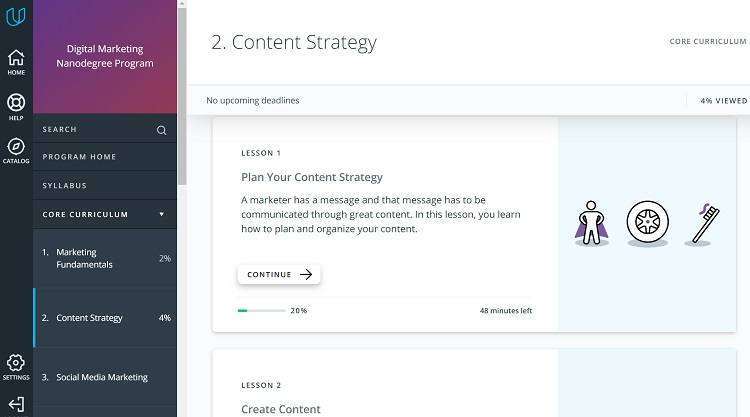
A digital marketing nanodegree is an online learning programme covering key areas of marketing across digital channels. Depending on the course, topics may include search engine optimisation (SEO), paid advertising, social media, email marketing, content strategy, analytics and campaign planning.
Rather than focusing only on theory, many programmes include practical assignments. These might involve developing a marketing plan, analysing campaign data or creating sample content. The aim is to help learners apply concepts to realistic business scenarios and produce work they can discuss with prospective employers or clients.
What might you learn?
Course syllabuses vary, but a digital marketing programme may introduce you to:
- Marketing strategy: defining objectives, understanding audiences and selecting suitable channels.
- SEO: improving a website’s visibility in organic search results through relevant content and sound technical practices.
- Paid media: planning and evaluating online advertising campaigns.
- Social media: choosing platforms, developing content and assessing engagement.
- Email marketing: creating audience-focused campaigns and measuring their performance.
- Analytics: interpreting metrics to understand what is working and where improvements may be needed.
- Content marketing: planning useful content that supports audience needs and business goals.
Some courses may also cover topics such as conversion optimisation, customer journeys and marketing automation. Check the syllabus to make sure it matches the skills you want to develop.
Who is it suitable for?
A digital marketing nanodegree may suit people who are new to marketing, professionals looking to update their skills, small-business owners managing their own promotion, or career changers exploring digital roles. It can also provide a useful framework for people who already have experience but want to strengthen a particular area.
Most online programmes are designed to be completed remotely, which can make them easier to fit around work or other commitments. However, self-paced study still requires planning and regular effort. Before signing up, consider how much time you can set aside and whether the course’s format suits your learning style.
Potential benefits
A well-designed programme can give you a clear learning path through a broad subject. Practical projects may help you demonstrate how you approach marketing challenges, while feedback or tutor support—where included—can help you refine your work.
Structured study can also make it easier to identify gaps in your knowledge. Digital marketing changes frequently, so learning how to test ideas, interpret results and adapt to new tools may be just as useful as learning any one platform.
Things to consider before enrolling
A qualification alone does not guarantee a job or prove that someone can deliver results. Employers and clients may also look for practical experience, clear communication, analytical thinking and examples of work. Treat a nanodegree as one part of your professional development rather than a substitute for experience.
Before choosing a course, look closely at:
- The syllabus: Does it cover the subjects relevant to your goals?
- Project work: Will you create practical examples that can form part of a portfolio?
- Support: Is feedback, mentoring or access to instructors included?
- Time commitment: Are the expected study hours realistic for your schedule?
- Cost and terms: Check the full price, payment arrangements, refund policy and any additional costs.
- Current relevance: Find out when the course content was last updated and whether it reflects today’s tools and practices.
How to get the most from your studies
Set a weekly study routine and apply each lesson to a real organisation, project or personal website. Keep notes on your decisions, the evidence behind them and the results you would measure. This helps turn course exercises into examples you can explain in an interview or include in a portfolio.
It is also useful to follow changes in the industry beyond the course. Read guidance from reputable platforms, practise with available tools and review campaign results critically. Marketing recommendations should be based on an organisation’s audience and objectives, not simply on the latest trend.
Is a digital marketing nanodegree worth it?
It may be worthwhile if the programme offers relevant, current content and practical work that supports your goals. Its value depends on the quality of the course, the effort you put into it and how you use what you learn afterwards. Compare several options, review the syllabus and costs, and consider whether a short course, formal qualification or hands-on experience would be a better fit.
For learners seeking a structured introduction to online marketing, a digital marketing nanodegree can be a useful starting point. The strongest results are likely to come when study is combined with practical experience, continued learning and a portfolio that shows how marketing knowledge can be applied.
8 Benefits of a Digital Marketing Nanodegree
- Learn practical digital marketing skills.
- Study flexibly online.
- Explore key marketing channels.
- Build hands-on project experience.
- Strengthen your professional portfolio.
- Develop data analysis skills.
- Learn at your own pace.
- Support a career change or progression.
Drawbacks of a Digital Marketing Nanodegree
- Can be expensive.
- Does not guarantee a job.
- May require significant self-discipline.
- Course content can become outdated.
Learn practical digital marketing skills.
A digital marketing nanodegree can help you build practical skills you can apply to real campaigns. Through hands-on projects, you may learn how to plan content, improve a website’s search visibility, manage online advertising and interpret campaign data. This practical experience can help you understand not only which tools to use, but how to make informed marketing decisions and measure their results.
Study flexibly online.
One of the main advantages of a digital marketing nanodegree is the flexibility to study online. You can often work through lessons at a pace that suits your schedule, fitting study around work, family or other commitments. With course materials available online, you can learn from home or wherever you have an internet connection, and revisit topics whenever you need a refresher.
Explore key marketing channels.
A digital marketing nanodegree can help you explore the main marketing channels and understand how they work together. You may learn about SEO, paid advertising, social media, email and content marketing, as well as when each channel is most useful. This broad overview makes it easier to plan campaigns around business goals, reach the right audiences and measure performance across different platforms.
Build hands-on project experience.
A digital marketing nanodegree can help you build hands-on project experience by putting what you learn into practice. You might develop a campaign plan, create digital content or analyse marketing data, giving you practical examples to discuss with employers or clients. These projects can also help you build a portfolio that demonstrates your skills and shows how you approach real-world marketing challenges.
Strengthen your professional portfolio.
A digital marketing nanodegree can help strengthen your professional portfolio by giving you practical projects to showcase alongside your qualifications and experience. Work such as campaign plans, SEO recommendations, content strategies or performance analyses can demonstrate how you apply marketing concepts to real-world challenges. Present each project clearly, explaining the objective, your approach and the skills you used, while being transparent about whether it was coursework or client work.
Develop data analysis skills.
A digital marketing nanodegree can help you develop practical data analysis skills by teaching you how to interpret campaign metrics, identify trends and assess performance across digital channels. You can learn to use data to understand audience behaviour, measure progress towards marketing goals and spot opportunities to improve. These skills support more informed decisions, helping you refine campaigns based on evidence rather than guesswork.
Learn at your own pace.
A key advantage of a digital marketing nanodegree is the flexibility to learn at your own pace. Online lessons make it easier to fit study around work, family and other commitments, while allowing you to spend more time on challenging topics and move quickly through familiar ones. This flexible approach can make it simpler to build new skills steadily and revisit course materials whenever you need a refresher.
Support a career change or progression.
A digital marketing nanodegree can support a career change or progression by helping you build relevant skills in areas such as SEO, social media, paid advertising and analytics. Practical projects can give you examples of your work to discuss with employers, while structured study may help you identify and address gaps in your knowledge. Whether you are moving into digital marketing or aiming to take on more responsibility in your current role, the course can provide a useful foundation alongside hands-on experience and ongoing learning.
Can be expensive.
One potential drawback of a digital marketing nanodegree is the cost. Fees can be substantial, particularly when you factor in subscriptions, software or other learning materials, and may be difficult to justify if you are unsure whether the course suits your goals. Before enrolling, compare the price with other training options and check exactly what is included.
Does not guarantee a job.
It does not guarantee a job: Completing a digital marketing nanodegree can help you build relevant knowledge and practical skills, but it cannot guarantee employment. Employers may also look for hands-on experience, a strong portfolio, communication skills and evidence that you can apply what you have learnt. Treat the qualification as one part of your career development, alongside practical projects, networking and ongoing learning.
May require significant self-discipline.
A digital marketing nanodegree may require significant self-discipline, particularly if it is self-paced or studied alongside work and other commitments. Without a fixed classroom schedule, learners need to set aside regular study time, keep up with assignments and stay motivated throughout the course. Those who struggle to maintain a routine may find it harder to complete the programme or get the most from its practical projects.
Course content can become outdated.
A potential drawback of a digital marketing nanodegree is that its course content can become outdated. Digital platforms, tools and best practices change quickly, so lessons that were once relevant may no longer reflect how campaigns are planned and measured today. Before enrolling, check when the material was last updated and whether the programme includes ongoing revisions or access to current resources.
Leave a Reply