
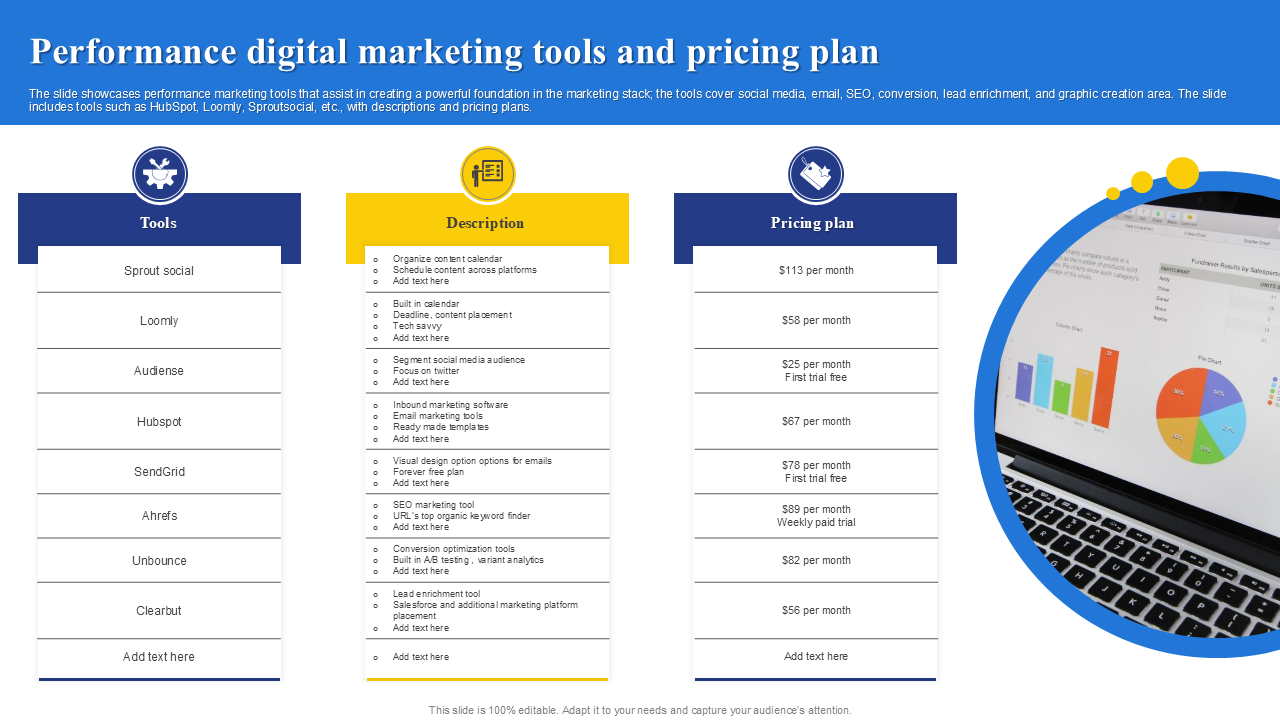
The Ultimate Guide to Digital Marketing Price List
When it comes to digital marketing, understanding pricing structures is crucial for businesses looking to invest in online promotion. A digital marketing price list can vary significantly based on services offered, target audience, and desired outcomes. Let’s explore the key factors that influence digital marketing pricing:
Factors Influencing Digital Marketing Pricing
- Services Offered: Different digital marketing agencies provide a range of services, including SEO, social media management, PPC advertising, content creation, email marketing, and more. The cost of each service can vary based on complexity and expertise required.
- Target Audience: The size and demographics of your target audience can impact pricing. Targeting a niche market may require more tailored strategies that could affect costs.
- Geographical Location: Digital marketing prices may differ based on the location of the agency or freelancer. Costs in major cities or regions with higher living expenses may be higher.
- Experience and Expertise: Agencies with a proven track record and experienced professionals may charge higher fees for their services compared to newer entrants in the market.
- Scope of Work: The complexity and scale of your digital marketing campaign will influence pricing. A comprehensive campaign covering multiple platforms will likely cost more than a single-service approach.
Understanding Pricing Models
Digital marketing agencies typically offer various pricing models to accommodate different client needs:
- Hourly Rate: Some agencies charge an hourly rate for their services. This model is suitable for projects with varying workloads or ongoing support requirements.
- Monthly Retainer: Clients pay a fixed monthly fee for a set number of services or hours. This model provides predictability in costs and ongoing support.
- Project-Based Pricing: Agencies determine a flat fee for specific projects or campaigns. This model is ideal for one-time initiatives with defined deliverables.
- Performance-Based Pricing: In this model, fees are tied to the performance metrics agreed upon by both parties. It aligns agency success with client goals but requires clear objectives and measurement criteria.
Negotiating Digital Marketing Prices
To get the best value from your digital marketing investment, consider the following tips when negotiating prices with agencies:
- Define Clear Objectives: Clearly outline your goals and expectations to ensure both parties are on the same page regarding deliverables and outcomes.
- Budget Allocation: Establish a realistic budget based on your business’s financial capabilities and expected returns from digital marketing efforts.
…
8 Essential Tips for Crafting a Transparent and Competitive Digital Marketing Price List
- Clearly outline the services offered in your digital marketing price list.
- Include pricing details for each service to avoid confusion.
- Specify any additional costs or fees that may apply.
- Offer different packages or tiers to cater to various client needs and budgets.
- Clearly state payment terms and methods accepted in your price list.
- Regularly review and update your pricing to stay competitive in the market.
- Consider offering discounts for long-term contracts or bulk services.
- Provide contact information for inquiries or custom quotes.
Clearly outline the services offered in your digital marketing price list.
When creating a digital marketing price list, it is essential to clearly outline the services offered to potential clients. By detailing each service with transparency and clarity, businesses can effectively communicate the value they provide and help clients understand what to expect in terms of deliverables and outcomes. This approach not only builds trust but also ensures that both parties are aligned on the scope of work, leading to more successful collaborations and satisfied customers.
Include pricing details for each service to avoid confusion.
Including pricing details for each service in your digital marketing price list is essential to avoid confusion and ensure transparency with your clients. By clearly outlining the costs associated with individual services, you set clear expectations and help clients understand the value they are receiving. This approach not only builds trust but also helps clients make informed decisions about which services align best with their budget and objectives. Clear pricing details can prevent misunderstandings and disputes, ultimately fostering positive client relationships and enhancing the overall effectiveness of your digital marketing strategy.
Specify any additional costs or fees that may apply.
When considering a digital marketing price list, it is essential to pay attention to specifying any additional costs or fees that may apply. Transparency regarding potential extra charges, such as ad spend budgets, software subscriptions, or creative services, can help prevent unexpected expenses and ensure a clear understanding of the total investment required for your digital marketing campaign. By detailing these supplementary costs upfront, businesses can make informed decisions and better manage their budget allocations for a successful online promotion strategy.
Offer different packages or tiers to cater to various client needs and budgets.
In the realm of digital marketing pricing strategies, a valuable tip is to provide diverse packages or tiers tailored to accommodate a range of client requirements and financial capacities. By offering different options, businesses can cater to varying needs and budgets, ensuring that clients can select a package that aligns with their specific goals and resources. This approach not only enhances customer satisfaction by providing flexibility but also allows businesses to reach a broader audience and maximise their revenue potential in the competitive digital marketing landscape.
Clearly state payment terms and methods accepted in your price list.
When creating a digital marketing price list, it is essential to clearly state the payment terms and methods accepted. By providing transparent information on how clients can pay for the services rendered, businesses establish trust and streamline the payment process. Clearly outlining payment terms, such as deposit requirements, invoicing schedules, and accepted payment methods like bank transfers or credit cards, ensures clarity for both parties and minimises any potential misunderstandings or delays in payment processing.
Regularly review and update your pricing to stay competitive in the market.
To stay competitive in the market, it is essential to regularly review and update your pricing strategy in digital marketing. By keeping a close eye on industry trends, competitor pricing, and consumer demands, you can ensure that your prices remain competitive and aligned with the value you offer. Regular updates to your pricing structure not only help you stay relevant in a dynamic market but also demonstrate your commitment to providing fair and competitive rates for your digital marketing services.
Consider offering discounts for long-term contracts or bulk services.
Consider offering discounts for long-term contracts or bulk services as a strategic approach to incentivise client commitment and foster long-lasting relationships. By providing discounts for extended contracts or larger service packages, businesses can not only secure consistent revenue streams but also demonstrate value to clients seeking cost-effective solutions. This pricing strategy not only encourages loyalty but also showcases a willingness to accommodate client needs, ultimately contributing to mutual growth and success in the dynamic landscape of digital marketing.
Provide contact information for inquiries or custom quotes.
In the realm of digital marketing pricing strategies, a valuable tip is to always provide clear and accessible contact information for inquiries or custom quotes. By offering a direct means for potential clients to reach out with questions or specific requirements, businesses can establish transparent communication channels that foster trust and facilitate tailored solutions. This practice not only demonstrates a commitment to customer service but also allows for personalised discussions that can lead to more accurate pricing estimates and ultimately, successful collaborations.
Leave a Reply