
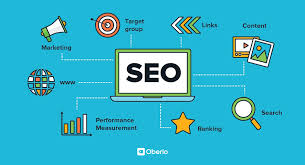
The Power of Search Engine Optimisation in Digital Marketing
In today’s digital age, having a strong online presence is crucial for businesses to succeed. One of the key components of digital marketing that significantly impacts a brand’s visibility and reach is Search Engine Optimisation (SEO).
What is SEO?
SEO is the practice of optimising a website to rank higher in search engine results pages (SERPs) for relevant keywords and phrases. By improving your website’s SEO, you increase its chances of being discovered by potential customers when they search for products or services related to your business.
The Benefits of SEO in Digital Marketing
Implementing effective SEO strategies offers a multitude of benefits for businesses:
- Increased Visibility: By appearing higher in search results, your website gains more visibility and attracts organic traffic.
- Enhanced Credibility: Websites that rank well are perceived as more trustworthy and credible by users.
- Targeted Traffic: SEO helps you target specific keywords relevant to your business, attracting users who are actively searching for what you offer.
- Better User Experience: Optimising your website for SEO also enhances the user experience, leading to higher engagement and conversions.
- Cost-Effective Marketing: Compared to traditional advertising methods, SEO provides a cost-effective way to reach your target audience consistently.
Key SEO Strategies
To leverage the power of SEO effectively, businesses should focus on key strategies such as:
- Keyword Research: Identifying relevant keywords that your target audience is searching for.
- On-Page Optimisation: Optimising meta tags, headings, content, and images on your website for targeted keywords.
- Quality Content: Creating high-quality, valuable content that engages users and attracts backlinks.
- Link Building: Acquiring quality backlinks from reputable websites to improve your site’s authority.
- User Experience (UX) Optimisation: Ensuring easy navigation, fast loading times, and mobile responsiveness for a positive user experience.
In Conclusion
In conclusion, search engine optimisation plays a vital role in digital marketing by enhancing online visibility, driving targeted traffic, and improving user experience. By implementing effective SEO strategies tailored to your business goals, you can position your brand ahead of the competition and achieve sustainable growth in the digital landscape.
7 Essential SEO Tips for Enhancing Your Digital Marketing Strategy
- 1. Conduct keyword research to identify relevant search terms for your website.
- 2. Optimise your website’s meta tags, including title tags and meta descriptions.
- 3. Create high-quality, valuable content that is optimised for both users and search engines.
- 4. Improve your website’s loading speed for better user experience and SEO performance.
- 5. Build quality backlinks from reputable websites to improve your site’s authority.
- 6. Use heading tags (H1, H2, etc.) to structure your content for easier indexing by search engines.
- 7. Regularly monitor and analyse your SEO performance using tools like Google Analytics.
1. Conduct keyword research to identify relevant search terms for your website.
To enhance your website’s visibility and attract targeted traffic, it is essential to conduct thorough keyword research to identify relevant search terms that align with your business offerings. By understanding the specific keywords and phrases that users are searching for, you can tailor your website content and SEO strategies to improve your search engine rankings and reach potential customers effectively. Conducting keyword research is a fundamental step in optimising your website for search engines and ensuring that your digital marketing efforts resonate with your target audience.
2. Optimise your website’s meta tags, including title tags and meta descriptions.
To enhance your website’s search engine visibility and click-through rates, it is essential to optimise your meta tags, such as title tags and meta descriptions. These elements provide search engines and users with concise information about the content of each web page. By strategically incorporating relevant keywords and compelling messaging into your meta tags, you can improve your site’s ranking in search results and attract more qualified traffic. Remember, well-crafted meta tags not only boost SEO but also entice users to click through to your website, making them a critical component of a successful digital marketing strategy.
3. Create high-quality, valuable content that is optimised for both users and search engines.
To maximise the impact of your digital marketing efforts, it is essential to adhere to the tip of creating high-quality, valuable content that caters to both users and search engines. By crafting content that is not only engaging and informative for your audience but also optimised with relevant keywords and structure for search engines, you can enhance your website’s visibility, attract organic traffic, and build credibility within your industry. This approach ensures that your content resonates with users while also meeting the requirements for ranking well in search engine results pages, ultimately driving sustainable growth for your online presence.
4. Improve your website’s loading speed for better user experience and SEO performance.
Improving your website’s loading speed is a crucial tip in search engine optimisation for digital marketing. A faster loading website not only enhances user experience by reducing bounce rates and keeping visitors engaged but also contributes to better SEO performance. Search engines like Google consider page speed as a ranking factor, prioritising websites that offer a seamless browsing experience. By optimising your website’s loading speed, you can improve both user satisfaction and search engine visibility, ultimately driving more traffic and conversions to your site.
5. Build quality backlinks from reputable websites to improve your site’s authority.
Building quality backlinks from reputable websites is a crucial tip in search engine optimisation for digital marketing. By establishing links from trusted sources, your website gains credibility and authority in the eyes of search engines. These backlinks act as signals of endorsement, indicating to search algorithms that your content is valuable and trustworthy. As a result, your site is more likely to rank higher in search results, driving organic traffic and boosting overall visibility online.
6. Use heading tags (H1, H2, etc.) to structure your content for easier indexing by search engines.
To enhance your website’s search engine optimisation in digital marketing, utilise heading tags such as H1, H2, etc., to structure your content effectively. By organising your content with clear headings, you not only improve readability for users but also make it easier for search engines to index and understand the hierarchy of information on your site. This strategic use of heading tags can boost your SEO efforts by signalling the importance of specific content sections and helping search engines deliver more relevant results to users searching for related topics.
7. Regularly monitor and analyse your SEO performance using tools like Google Analytics.
To maximise the effectiveness of your digital marketing efforts, it is essential to follow tip number seven: regularly monitor and analyse your SEO performance using tools such as Google Analytics. By consistently tracking key metrics and insights provided by these tools, you can gain valuable data on your website’s performance, user behaviour, and keyword rankings. This information enables you to make informed decisions, identify areas for improvement, and refine your SEO strategies to enhance your online visibility and reach a wider audience effectively.
Leave a Reply