
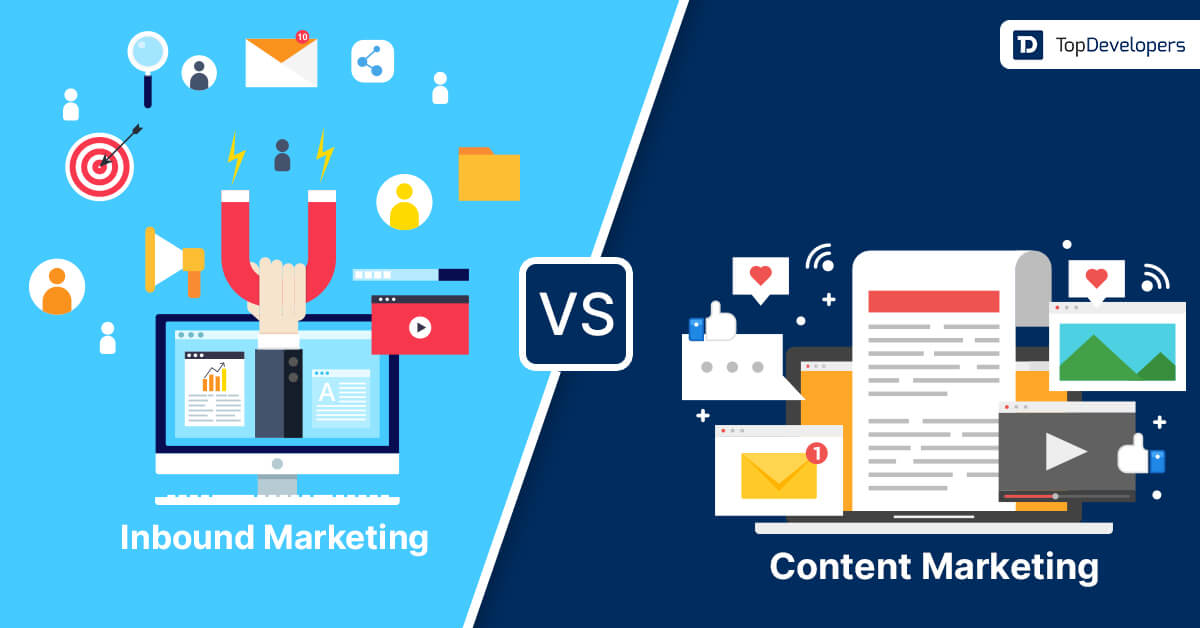
The Power of Inbound Digital Marketing
In today’s fast-paced digital landscape, businesses are constantly seeking innovative ways to reach and engage with their target audience. One highly effective strategy that has gained significant popularity is inbound digital marketing.
Unlike traditional outbound marketing methods that involve pushing messages out to a broad audience, inbound digital marketing focuses on attracting potential customers through valuable content and interactions that are relevant and helpful.
Key Components of Inbound Digital Marketing
Content Creation: Creating high-quality, relevant content is at the core of inbound digital marketing. This can include blog posts, videos, infographics, eBooks, and more that provide value to your audience.
SEO (Search Engine Optimization): Optimizing your content for search engines helps increase visibility and drive organic traffic to your website. By using relevant keywords and following best practices, you can improve your search engine rankings.
Social Media Marketing: Engaging with your audience on social media platforms allows you to build relationships, promote your content, and drive traffic to your website. Social media also provides valuable insights into consumer behaviour and preferences.
The Benefits of Inbound Digital Marketing
Targeted Audience Reach: By creating valuable content that addresses the needs and interests of your target audience, you attract qualified leads who are more likely to convert into customers.
Cost-Effective: Compared to traditional outbound marketing methods like print ads or TV commercials, inbound digital marketing is often more cost-effective and offers a higher return on investment.
Builds Trust and Credibility: By providing valuable information and engaging with your audience in a meaningful way, you can establish trust and credibility for your brand, leading to long-term customer relationships.
Conclusion
Inbound digital marketing has revolutionized the way businesses connect with their customers online. By focusing on creating valuable content, optimizing for search engines, and engaging with audiences on social media, businesses can attract qualified leads and build lasting relationships with their customers.
Understanding Inbound Digital Marketing: Key FAQs and Insights
- What is inbound marketing vs digital marketing?
- Is inbound marketing a type of digital marketing?
- What are examples of inbound marketing?
- What is an example of inbound marketing?
- What is inbound and outbound digital marketing?
- What is inbound in digital marketing?
- What are 7 types of digital marketing?
- What are the 4 elements of inbound marketing?
What is inbound marketing vs digital marketing?
Inbound marketing and digital marketing are often used interchangeably, but they have distinct differences. Digital marketing encompasses all online strategies and tactics to promote a brand, product, or service using digital channels such as social media, email marketing, search engine optimization (SEO), and pay-per-click advertising. On the other hand, inbound marketing is a subset of digital marketing that focuses on attracting potential customers through valuable content and interactions that address their needs and interests. Inbound marketing is more about building relationships with customers by providing relevant information and engaging with them in a meaningful way, whereas digital marketing includes a broader range of activities aimed at promoting a brand online.
Is inbound marketing a type of digital marketing?
Yes, inbound marketing is indeed a type of digital marketing. Inbound marketing specifically focuses on attracting customers through relevant and valuable content, rather than traditional outbound marketing tactics like cold calling or direct mail. By leveraging digital channels such as websites, social media, and email, businesses can create engaging content that draws potential customers in and nurtures them through the buyer’s journey. In essence, inbound marketing harnesses the power of digital platforms to connect with audiences in a more organic and customer-centric way, ultimately driving leads and conversions for businesses.
What are examples of inbound marketing?
Inbound marketing encompasses a variety of strategies aimed at attracting and engaging with potential customers in a non-intrusive way. Examples of inbound marketing include content creation such as blog posts, videos, and eBooks that provide valuable information to the target audience. Search engine optimization (SEO) techniques that improve website visibility and drive organic traffic are also key components of inbound marketing. Social media marketing plays a crucial role in building relationships with customers through interactive and engaging content. Email marketing campaigns that deliver personalised and relevant messages to subscribers can also be effective inbound marketing tactics. Overall, these examples highlight the diverse approaches businesses can take to attract, engage, and convert leads through inbound marketing strategies.
What is an example of inbound marketing?
An example of inbound marketing is creating a comprehensive blog post that addresses a common pain point or question within your industry, providing valuable insights and solutions for your target audience. By optimising the post for relevant keywords and promoting it through social media channels, you attract potential customers who are actively seeking information related to your products or services. This approach not only drives organic traffic to your website but also establishes your brand as a trusted resource in the eyes of your audience, ultimately leading to increased engagement and conversions.
What is inbound and outbound digital marketing?
In the realm of digital marketing, the distinction between inbound and outbound strategies is crucial. Inbound digital marketing involves attracting potential customers through valuable content and interactions that are relevant and helpful, aiming to build relationships and drive organic traffic. On the other hand, outbound digital marketing refers to traditional methods of pushing messages out to a broad audience, such as display ads or cold emails. While inbound focuses on drawing customers in with engaging content, outbound involves reaching out proactively to potential leads. Understanding the difference between these approaches is essential for crafting a comprehensive digital marketing strategy that resonates with your target audience effectively.
What is inbound in digital marketing?
In the realm of digital marketing, “inbound” refers to a strategic approach that aims to attract and engage potential customers through valuable and relevant content rather than interrupting them with intrusive advertising. Inbound digital marketing focuses on creating informative and engaging content that addresses the needs and interests of the target audience, thereby building trust, credibility, and long-term relationships. By leveraging tactics such as content creation, search engine optimization (SEO), social media engagement, and lead nurturing, businesses can effectively draw in qualified leads and convert them into loyal customers.
What are 7 types of digital marketing?
When exploring the realm of digital marketing, it’s common to come across the question: “What are the 7 types of digital marketing?” This query often arises as businesses seek to understand the diverse strategies available to promote their brand online. The seven key types of digital marketing include search engine optimization (SEO), content marketing, social media marketing, pay-per-click (PPC) advertising, email marketing, influencer marketing, and affiliate marketing. Each type plays a crucial role in reaching and engaging with target audiences in the digital landscape, offering unique opportunities for businesses to connect with their customers effectively.
What are the 4 elements of inbound marketing?
Inbound marketing encompasses four key elements that are essential for its success: content creation, SEO (Search Engine Optimization), social media marketing, and email marketing. Content creation involves producing valuable and relevant content that attracts and engages the target audience. SEO plays a crucial role in optimizing this content to enhance visibility and drive organic traffic to the website. Social media marketing focuses on building relationships with customers through various social platforms, while email marketing helps nurture leads and maintain communication with existing customers. By integrating these four elements effectively, businesses can create a comprehensive inbound marketing strategy that generates leads, builds brand awareness, and fosters customer loyalty.
Leave a Reply