
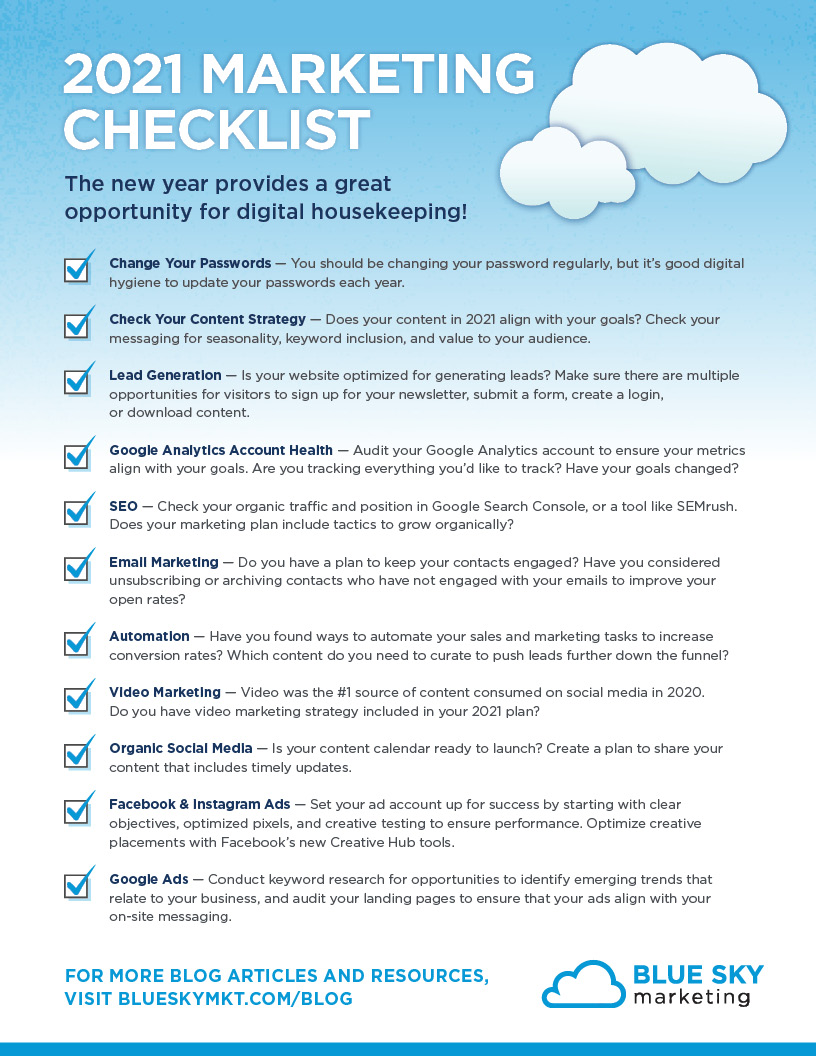
Digital Marketing in 2021: Trends, Challenges and Opportunities
Digital marketing changed rapidly in 2021. Businesses were still adapting to the effects of the COVID-19 pandemic, while customers increasingly relied on online channels to discover products, compare services and make purchases. For organisations of every size, a strong digital presence was no longer simply an advantage: it was an essential part of reaching and serving customers.
The most effective marketing strategies in 2021 combined useful content, a clear understanding of audiences and careful measurement. Rather than trying to be everywhere at once, businesses needed to choose the channels that best suited their customers and make each interaction relevant and consistent.
Changing customer behaviour
Lockdowns and restrictions accelerated the shift towards online shopping, digital services and remote communication. Customers became more accustomed to researching and buying online, while many businesses introduced e-commerce, click-and-collect services or virtual consultations to meet changing needs.
This shift also raised expectations. People wanted websites that worked well on mobile devices, straightforward purchasing journeys and prompt answers to their questions. Businesses that removed friction from these experiences were better placed to build trust and encourage repeat custom.
Content that answers real questions
Content marketing remained an important way to attract and help potential customers. Blog articles, guides, videos and social media posts could explain a product, solve a common problem or demonstrate a business’s expertise. The strongest content was created with a specific audience in mind, rather than simply to fill a publishing schedule.
Search engine optimisation (SEO) supported this work by helping useful content become easier to find. In 2021, businesses continued to benefit from researching the phrases their customers used, creating clear and informative pages, improving site speed and ensuring their websites worked well on mobile devices. SEO typically takes time, so it was most effective as part of a sustained strategy.
Video and social media
Video continued to grow as a format for explaining ideas, demonstrating products and sharing a brand’s personality. Short-form videos, live streams and recorded tutorials gave businesses different ways to connect with audiences. Good video marketing did not always require a large production budget: clear sound, a useful message and an appropriate format could matter more than elaborate effects.
Social media also remained a valuable channel for building relationships and distributing content. Each platform had its own audience and style, so businesses needed to select channels based on where their customers spent time. Consistent, relevant communication was generally more effective than posting frequently without a clear purpose.
Email marketing and customer relationships
Email offered businesses a direct way to communicate with people who had chosen to hear from them. Newsletters, product updates and tailored offers could help maintain relationships beyond social media and search. Successful email campaigns relied on permission, useful content and careful audience segmentation. Businesses also needed to follow applicable privacy and electronic marketing rules.
Personalisation became increasingly important, but it did not mean adding a customer’s name to every message. It meant making communications more relevant by considering a person’s interests, previous interactions or stage in the customer journey.
Privacy, data and measurement
Changes to privacy expectations and digital tracking made it more important for businesses to understand how they collected and used data. Marketers had to balance useful measurement with respect for customer choice, provide clear information and review their use of cookies and other tracking technologies.
Rather than focusing on surface-level figures alone, such as likes or page views, businesses benefited from tracking measures linked to their objectives. These might include qualified enquiries, online sales, repeat purchases or the cost of acquiring a customer. Regular analysis helped teams understand what was working and adjust their activity accordingly.
Building a practical digital marketing strategy
A strong digital marketing plan in 2021 began with a few basic questions:
- Who are the customers, and what do they need?
- Which online channels do they use?
- What business outcomes should marketing support?
- How will success be measured?
- What content and resources can the business realistically provide?
With these answers in place, businesses could set priorities, create a manageable publishing schedule and review performance regularly. Combining channels thoughtfully was often more effective than treating each one as a separate activity. For example, a useful guide could support SEO, be shared on social media and feature in an email newsletter.
Looking back at digital marketing in 2021
Digital marketing in 2021 was shaped by rapid changes in customer behaviour, growing reliance on online services and greater attention to privacy. The central lesson was that technology alone could not create an effective strategy. Businesses needed to understand their audiences, provide genuine value and make the online experience straightforward.
Those principles remain useful beyond 2021. By combining relevant content, thoughtful channel selection and responsible measurement, businesses can build stronger customer relationships and adapt more confidently as the digital landscape changes.
Exploring the Top Digital Marketing Trends and Strategies of 2021
- What are the latest trends in digital marketing 2021?
- What are the trends in advertising 2021?
- What are current trends in digital marketing?
- What is trending in digital marketing right now?
- What are the top 10 digital marketing trends of 2021?
- Is digital marketing still worth it in 2026?
- What is the most effective digital marketing strategy 2021?
What are the latest trends in digital marketing 2021?
In 2021, key digital marketing trends included short-form video and live streaming, more personalised campaigns, social commerce and the growing use of chatbots and marketing automation. Businesses also focused on creating helpful content, working with influencers and providing a consistent experience across websites, social media and email. At the same time, rising expectations around privacy encouraged marketers to use customer data more transparently and responsibly.
What are the trends in advertising 2021?
In 2021, advertising trends reflected changing habits and growing expectations around privacy and relevance. Short-form video and livestreams gained attention, while social media platforms increasingly supported shopping directly through adverts and posts. Brands also worked with influencers and used automated, data-led advertising to reach specific audiences. At the same time, tightening privacy rules and changes to tracking encouraged businesses to rely more on consent-based, first-party data and to make their advertising transparent, useful and authentic.
What are current trends in digital marketing?
In 2021, key digital marketing trends included the growing use of short-form video and live streaming, more personalised content, and a stronger focus on mobile-friendly websites and online shopping. Businesses also invested in SEO, social media and email marketing to reach customers across different channels. At the same time, changing privacy expectations made transparent data practices and responsible measurement increasingly important. The strongest strategies focused on useful, relevant experiences rather than simply following every new trend.
What is trending in digital marketing right now?
In 2021, digital marketing trends included short-form video, influencer partnerships, personalised content and social commerce, which allowed customers to discover and buy products through social platforms. Businesses were also investing in useful, search-optimised content, mobile-friendly websites and email marketing to build lasting customer relationships. As privacy expectations grew, transparent data practices and responsible measurement became increasingly important, while brands focused on creating relevant, helpful experiences rather than simply publishing more content.
What are the top 10 digital marketing trends of 2021?
The top 10 digital marketing trends of 2021 included artificial intelligence and marketing automation; personalised customer experiences; conversational marketing through chatbots and messaging apps; short-form and live video; influencer partnerships; social commerce; voice search; stronger SEO and useful content; omnichannel customer journeys; and privacy-conscious marketing built around transparency and first-party data. These trends reflected a wider shift towards more convenient, relevant and interactive online experiences, while encouraging businesses to earn customer trust and measure the results of their campaigns.
Is digital marketing still worth it in 2026?
Yes, digital marketing is still worth it in 2026, provided it is planned around clear business goals and the needs of your audience. Search, social media, email, online advertising and useful content can help businesses reach potential customers, build trust and measure results. The best approach is not to use every channel, but to focus on the ones your customers use, create genuinely helpful and relevant experiences, and review performance regularly. As privacy expectations and technology continue to evolve, transparent data practices and a flexible strategy are also essential.
What is the most effective digital marketing strategy 2021?
The most effective digital marketing strategy in 2021 was an audience-focused, multi-channel approach rather than relying on a single tactic. Businesses could attract potential customers with useful, search-optimised content, share it through relevant social media channels, and nurture interested audiences with permission-based email marketing. Paid advertising could help reach specific groups, while clear goals and regular measurement showed which activities were generating valuable enquiries or sales. The right mix depended on the business, its audience and its resources, with relevance, consistency and respect for customer privacy at the heart of the strategy.
Leave a Reply