
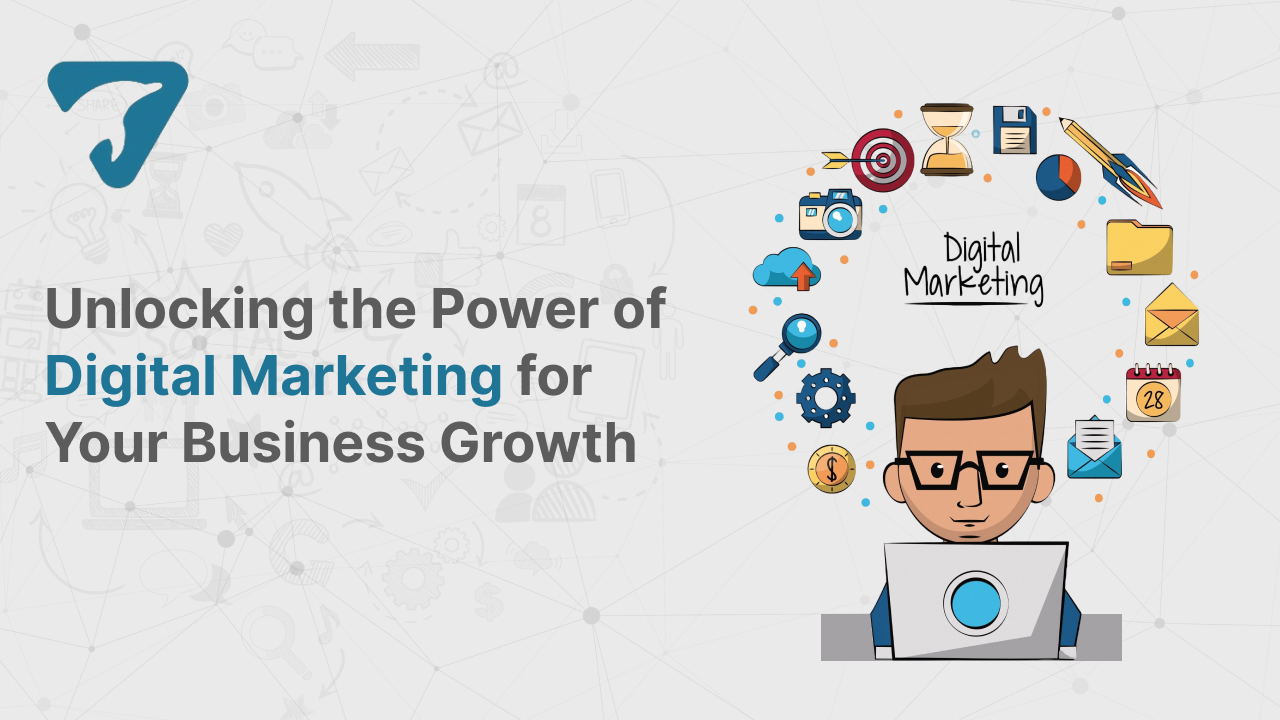
Grow Your Business with Digital Marketing
Growing a business takes more than offering a great product or service. People need to find you, understand what makes you different and feel confident choosing you. Digital marketing helps businesses reach potential customers online, build lasting relationships and turn interest into sales.
From search engines and social media to email and online advertising, there are many ways to connect with an audience. The best results come from choosing the right channels for your goals and using them consistently.
Reach the right audience
Digital marketing can help you focus your efforts on people who are more likely to be interested in what your business offers. Start by defining your ideal customers: consider what they need, what questions they ask and where they look for information.
This insight can shape your website content, social media activity and advertising. Rather than trying to reach everyone, concentrate on being useful and relevant to the people most likely to become customers.
Make your website work harder
Your website often creates a first impression of your business. It should clearly explain what you offer, who you help and what visitors should do next. Make sure it is easy to navigate, works well on mobile devices and provides straightforward ways to get in touch or make a purchase.
Useful, well-organised content can also help your website appear in search results. Think about the phrases potential customers use, then create pages that answer their questions honestly and clearly. Search engine optimisation (SEO) is a long-term process, but a well-structured site and relevant content give it a strong foundation.
Create content that builds trust
Content marketing gives your business an opportunity to demonstrate its knowledge and help customers make informed decisions. Depending on your audience, useful content might include guides, videos, case studies, product demonstrations or answers to frequently asked questions.
Focus on quality and relevance rather than publishing for the sake of it. Content should offer genuine value and reflect your brand’s experience. A consistent publishing schedule can help keep your business visible, while clear calls to action guide readers towards the next step.
Use social media with a purpose
Social media can help you share content, introduce your brand and engage directly with customers. You do not need to be active on every platform. Choose the channels that suit your audience and the type of content you can produce well.
Plan a balanced mix of posts, such as helpful advice, product or service updates, customer stories and behind-the-scenes details. Respond to comments and messages in a timely, professional way. Social media is most effective when it supports genuine conversation, rather than simply broadcasting promotions.
Build relationships through email
Email marketing is a practical way to stay in touch with people who have chosen to hear from your business. You can use it to share useful information, announce new products, send relevant offers or welcome new subscribers.
Keep emails focused, make the benefit clear and include a simple next step. Always follow applicable data protection and electronic marketing rules, and make it easy for recipients to unsubscribe.
Make paid advertising more effective
Online advertising can help your business reach people quickly, but spending alone does not guarantee results. Before launching a campaign, decide what you want it to achieve: for example, more enquiries, website visits or online sales.
Choose an audience, message and landing page that match that goal. Set a budget you can afford, test different approaches and review performance regularly. Small, measured adjustments can help you understand what works before you increase your investment.
Measure what matters
Digital marketing makes it possible to track activity, but not every number tells you whether your business is growing. Choose measures that relate to your objectives, such as qualified enquiries, completed purchases, repeat customers or the cost of acquiring a new customer.
Review your results regularly and use them to guide decisions. If a channel attracts attention but few enquiries, look at the audience, offer and user experience. If one type of content performs well, consider how to build on it.
Start with a clear plan
A practical digital marketing plan does not need to be complicated. Set a specific business goal, identify the audience you want to reach, choose a few suitable channels and decide how success will be measured. Then give your approach enough time to produce meaningful insights.
Digital marketing is not a one-off task. Customer needs, online platforms and competition change, so successful businesses keep learning and adapting. With a clear strategy and consistent effort, digital marketing can help your business become easier to find, build trust with customers and create opportunities for sustainable growth.
Exploring Digital Marketing: Strategies, Benefits, and Key Concepts for Business Growth
- What is your top 3 digital marketing strategies to attract clients?
- What are the 5 benefits of digital marketing?
- What are the 7 P’s of digital marketing?
- What is the 70 20 10 rule in digital marketing?
- What is the 3-3-3 rule in sales?
- Why digital marketing is important for business growth?
- Can digital marketing help my business?
What is your top 3 digital marketing strategies to attract clients?
The three digital marketing strategies that can be especially effective for attracting clients are search engine optimisation (SEO), useful content and targeted social media advertising. SEO helps potential customers find your business when they search for relevant products or services, while helpful articles, videos and guides build trust and show the value you offer. Social media advertising can then put your message in front of a clearly defined audience. The best mix depends on your business and customers, so track enquiries and sales to see what is working.
What are the 5 benefits of digital marketing?
Digital marketing offers five key benefits for businesses: it can help you reach a wider audience, target potential customers more precisely, measure campaign performance, engage with customers directly and make the most of your budget. Through channels such as search engines, social media and email, you can raise awareness, build relationships and track which activities lead to enquiries or sales—then use those insights to improve your approach.
What are the 7 P’s of digital marketing?
The 7 P’s of digital marketing are Product, Price, Place, Promotion, People, Process and Physical evidence. Together, they provide a framework for planning and evaluating your marketing: define what you offer and its price, choose where customers can find it, and decide how to promote it. The final three focus on the customer experience—who delivers the service, how it is delivered, and what evidence, such as reviews, case studies or a professional website, helps build trust. Used together, the 7 P’s can help ensure your digital marketing is consistent, customer-focused and aligned with your business goals.
What is the 70 20 10 rule in digital marketing?
The 70:20:10 rule is a content-planning guide that suggests allocating around 70% of your digital marketing content to useful, informative material that builds trust; 20% to shared or adapted content that supports your audience and brand; and 10% to promotional content focused on products, services or offers. The proportions are a flexible starting point, not a strict formula, so adjust them to suit your audience, goals and results.
What is the 3-3-3 rule in sales?
There is no universally agreed definition of the 3-3-3 rule in sales, so its meaning can vary between businesses. A practical interpretation is to make three relevant follow-up attempts, use up to three appropriate channels—such as email, phone and LinkedIn—and spread the outreach over a planned period. The aim is to stay visible without overwhelming the prospect: make each contact useful, personal and easy to respond to, and stop if they ask not to be contacted.
Why digital marketing is important for business growth?
Digital marketing is important for business growth because it helps you reach potential customers where they already spend time: online. Through channels such as search engines, social media, email and digital advertising, your business can raise awareness, attract relevant visitors and build relationships with customers. It also makes it easier to measure results, understand what works and refine your approach, helping you make informed decisions as your business grows.
Can digital marketing help my business?
Yes, digital marketing can help your business reach more potential customers, build brand awareness and generate enquiries or sales. The best approach depends on your goals, audience and budget, so focus on the channels your customers use—such as search engines, social media or email—and track results to see what is working. With a clear strategy and consistent effort, digital marketing can support sustainable business growth.
Leave a Reply