
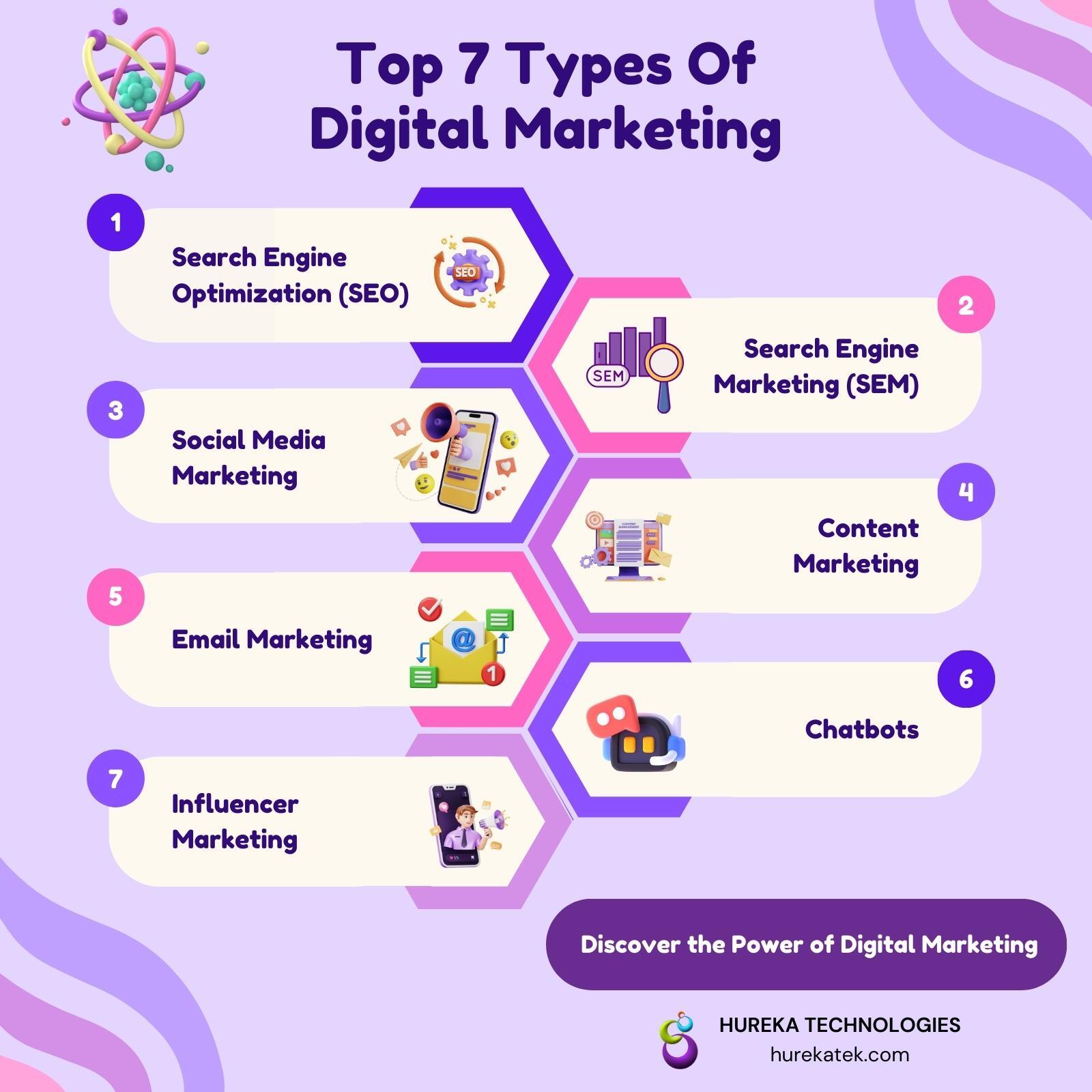
Digital Marketing List: The Essential Channels and Tactics for Your Business
A well-planned digital marketing strategy can help your business reach the right people, build trust and encourage customers to take action. But with so many channels and tactics available, it can be difficult to know where to begin. This digital marketing list covers the main areas to consider, whether you are starting from scratch or reviewing an existing plan.
Website and landing pages
Your website is often the first place people go to learn about your business. Make sure it is easy to use, works well on mobile devices and clearly explains what you offer. Each important page should have a clear next step, such as making an enquiry, booking a consultation or completing a purchase.
- Check that pages load quickly and display properly on mobile.
- Use clear headings and concise, helpful copy.
- Make contact details and calls to action easy to find.
- Review forms regularly to ensure they work correctly.
Search engine optimisation (SEO)
SEO helps people discover your website through unpaid search results. It involves understanding what your potential customers are looking for and making your site useful, accessible and relevant to those searches.
- Research the questions and search terms your audience uses.
- Create useful pages that address those needs.
- Write descriptive page titles and headings.
- Improve site structure, internal links and page performance.
- Keep business details accurate across relevant directories.
Content marketing
Content marketing is the creation and sharing of material that informs, entertains or helps your audience. Useful content can build confidence in your business and support your SEO, email and social media activity.
Content could include articles, guides, case studies, videos, podcasts, downloadable resources or frequently asked questions. Focus on quality and relevance rather than publishing for the sake of it.
Social media marketing
Social media can help you connect with customers, share your content and show the people behind your business. You do not need to be active on every platform. Choose the channels that suit your audience and the kind of content you can produce consistently.
- Set a clear purpose for each platform.
- Publish a manageable mix of useful and promotional content.
- Respond to comments and messages in a timely manner.
- Review engagement and referral traffic to see what resonates.
Email marketing
Email gives you a direct way to keep in touch with people who have chosen to hear from your business. You might use it to share news, send helpful advice, announce offers or welcome new subscribers.
Build your list responsibly, explain what subscribers can expect and include a straightforward way to unsubscribe. Keep messages relevant, and test subject lines and content to learn what works for your audience.
Paid search and online advertising
Paid advertising can put your offer in front of people who are actively searching or browsing online. Options include search adverts, social media campaigns, display advertising and sponsored listings. Start with a defined audience, a clear objective and a budget you can afford to test.
Track what happens after someone clicks. The number of clicks alone does not show whether a campaign is generating valuable enquiries or sales.
Video and visual content
Video, photography and graphics can make complex information easier to understand and help your brand stand out. Short demonstrations, customer stories and behind-the-scenes content are all potential formats. Choose an approach that fits your message, audience and available resources.
Online reputation and reviews
Reviews and customer feedback can influence how people perceive your business. Make it easy for customers to leave honest feedback, respond professionally and use recurring comments to identify areas for improvement. Never present fabricated or misleading reviews as genuine.
Analytics and measurement
Measurement helps you understand whether your marketing is contributing to your business goals. Decide what success means before launching a campaign, then monitor a small set of relevant measures.
- Website visits and the sources of that traffic
- Enquiries, bookings or purchases
- Email sign-ups and campaign engagement
- Advertising spend and resulting conversions
- Repeat visits, retention or customer lifetime value
Use analytics tools in line with applicable privacy and data-protection requirements. Where consent is needed, make sure it is requested and managed appropriately.
A practical digital marketing checklist
- Define your business goals and the audience you want to reach.
- Review your website and make key pages clear and useful.
- Choose a small number of marketing channels to prioritise.
- Plan content around your customers’ needs and questions.
- Set a realistic budget and schedule.
- Decide how results will be measured.
- Review performance regularly and make improvements.
Build a list that works for your business
Not every item in this digital marketing list will be right for every organisation. The best approach depends on your goals, audience, budget and capacity. Begin with the essentials, test your activity and invest more in the channels that deliver meaningful results. A focused, consistent plan is often more effective than trying to do everything at once.
9 Essential Digital Marketing Tips for UK Businesses
- Define your target audience.
- Set clear marketing goals.
- Build a useful email list.
- Create engaging content.
- Optimise for mobile devices.
- Use UK-specific keywords.
- Test your adverts regularly.
- Track results with analytics.
- Review and refine your strategy.
Define your target audience.
Define your target audience before choosing digital marketing channels or creating content. Consider who is most likely to need your product or service, including their interests, challenges, location and online habits. A clear picture of your audience helps you tailor your message, focus your budget and reach the people most likely to become customers.
Set clear marketing goals.
Set clear marketing goals before choosing your channels or tactics. Decide what you want to achieve—such as increasing website enquiries, growing your email list or improving sales—and make each goal specific and measurable. Clear goals help you focus your budget and effort, choose the right ways to reach your audience, and assess whether your marketing is working.
Build a useful email list.
Build a useful email list by inviting people who are genuinely interested in your business to subscribe. Offer a clear benefit, such as practical advice, updates or exclusive resources, and explain what subscribers can expect. Send relevant, helpful emails at a sensible pace, protect subscribers’ personal information and make it easy to unsubscribe. A smaller, engaged list is often more valuable than a large list of people who rarely read your messages.
Create engaging content.
Create engaging content that gives your audience a useful reason to stop, read and respond. Focus on the questions, interests and challenges of your customers, and choose formats that suit your message, such as articles, videos, guides or social media posts. Keep your content clear, relevant and easy to share, and include a natural next step—whether that is finding out more, signing up or getting in touch. Review how people interact with your content so you can learn what works and improve future posts.
Optimise for mobile devices.
Optimise your website and marketing content for mobile devices, as many people browse, search and shop on their phones. Use a responsive design, make pages load quickly, keep text easy to read and ensure buttons and forms are simple to use on a small screen. Check your key pages on different devices so visitors can find what they need and take action without frustration.
Use UK-specific keywords.
Use UK-specific keywords to help your business reach people searching for products or services in the United Kingdom. Consider local spellings, terms and phrases, such as “trainers” rather than “sneakers”, as well as location-based searches like “plumber in Bristol” or “accountant near me”. Research how your target audience actually searches, and use relevant phrases naturally in page titles, headings and website copy. Avoid awkward repetition: clear, useful content should always come first.
Test your adverts regularly.
Test your adverts regularly to find out which messages, images, audiences and calls to action work best. Try changing one element at a time, such as the headline or image, so you can understand what influenced the results. Monitor meaningful measures, including enquiries, sales or sign-ups, rather than clicks alone, and use what you learn to improve future campaigns. Give each test enough time and budget to gather useful data before making changes.
Track results with analytics.
Track results with analytics to understand which parts of your digital marketing are working and where improvements are needed. Monitor meaningful measures such as website visits, enquiries, sales and campaign engagement, rather than focusing on clicks alone. Review the data regularly, compare it with your goals and use what you learn to refine your marketing activity.
Review and refine your strategy.
Reviewing and refining your digital marketing strategy helps keep your efforts aligned with your business goals and changing customer needs. Regularly check performance across your channels, comparing results with the measures that matter, such as enquiries, sales or engagement. Use these insights to identify what is working, what needs improvement and where your budget could be better spent. Small, informed adjustments can make your marketing more effective over time.
Leave a Reply