
Digital Performance Marketing: Turning Data into Measurable Growth
Digital performance marketing is an approach to online marketing focused on measurable actions and outcomes. Rather than judging a campaign solely by how many people saw an advert, businesses track what people did next: clicked, signed up, made an enquiry or completed a purchase.
Because activity can be measured across digital channels, marketers can assess what is working, adjust campaigns and make better-informed decisions about where to invest their budget. The aim is not simply to generate more traffic, but to attract the right people and encourage valuable actions.
What does performance marketing include?
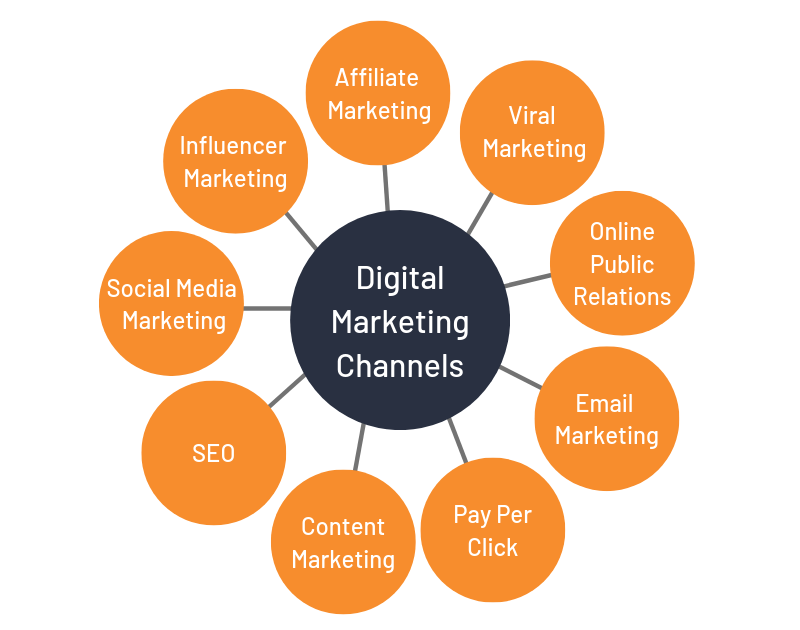
Performance marketing can bring together several digital channels, including:
- Paid search: adverts shown in search engine results, often in response to specific queries.
- Paid social: campaigns on social platforms, targeted by factors such as interests, location or previous interactions.
- Display advertising: visual adverts placed on websites and apps.
- Affiliate marketing: partnerships in which publishers promote a business and may receive a commission for agreed results.
- Email marketing: messages designed to build relationships, encourage repeat purchases or prompt a specific action.
- Search engine optimisation (SEO): work to improve a website’s visibility in organic search results over time.
These channels can support different stages of the customer journey. A search advert might reach someone who is ready to buy, while a social campaign could introduce a brand to people who have not encountered it before.
Choose the right performance measures
Effective measurement begins with clear business objectives. A campaign designed to build awareness will need different indicators from one intended to generate online sales. Common performance measures include:
- Conversion rate: the proportion of visitors who complete a desired action.
- Cost per acquisition (CPA): the average cost of gaining a customer or another defined conversion.
- Return on ad spend (ROAS): the revenue attributed to advertising compared with the amount spent.
- Customer lifetime value (CLV): an estimate of the value a customer may bring over their relationship with a business.
- Lead quality: how likely a generated enquiry is to become a customer.
Clicks and impressions can help explain how a campaign is performing, but they do not always show whether it is contributing to meaningful business results. Looking at several measures together provides a more balanced view.
Build a campaign around the customer
Performance marketing works best when it begins with an understanding of the audience. Consider what potential customers need, what questions they ask and what might prevent them from taking action. This insight can guide the choice of channel, message, offer and landing page.
The experience should feel consistent from the first advert to the final action. If an advert promises a particular service or benefit, the page it leads to should make that offer clear. A relevant landing page, straightforward navigation and a simple form or checkout can all help reduce unnecessary friction.
Test, learn and improve
Digital campaigns are rarely perfect from the outset. Testing different headlines, images, audiences, offers or landing-page layouts can reveal which combinations perform best. Tests should have a clear purpose, and results need enough time and data to be meaningful.
Regular optimisation may include pausing underperforming adverts, refining audience targeting, adjusting bids or moving budget towards stronger opportunities. It is also important to look beyond short-term results. A campaign can appear successful in the platform reporting while bringing in low-quality leads or customers who do not return.
Common challenges to consider
Performance marketing depends on reliable data, but tracking can be affected by privacy settings, consent requirements, changes to browsers and gaps between devices. Businesses should use appropriate consent practices and check that their measurement setup reflects how customers actually interact with them.
Attribution is another challenge. A customer may see a social advert, research a business through search and then convert after receiving an email. Assigning all the credit to only one touchpoint can give an incomplete picture. Combining platform data with website analytics, customer records and broader business results can support more informed decisions.
Finally, performance marketing is not a substitute for a strong product, a useful website or good customer service. Advertising can bring people to a business, but the wider customer experience helps determine whether they stay.
Making performance marketing work
A successful programme starts with specific objectives, suitable channels and trustworthy measurement. It then develops through ongoing testing and a willingness to learn from the results. By connecting marketing activity to meaningful outcomes, businesses can make more considered decisions, improve customer experiences and build sustainable digital growth.
9 Tips to Boost Your Digital Performance Marketing
- Set clear goals before launching campaigns.
- Track conversions with reliable analytics.
- Target audiences using relevant data.
- Test creative variations regularly.
- Optimise landing pages for mobile.
- Monitor cost per acquisition.
- Shift budget towards top-performing channels.
- Use first-party data responsibly.
- Review results and refine often.
Set clear goals before launching campaigns.
Set clear goals before launching a digital performance marketing campaign so you know what success looks like and how to measure it. Decide on a specific outcome—such as generating qualified leads, increasing online sales or encouraging sign-ups—and choose relevant metrics, such as cost per acquisition or conversion rate. Clear goals help shape your audience, messaging and budget, and make it easier to assess results and improve the campaign over time.
Track conversions with reliable analytics.
Track conversions with reliable analytics to understand which campaigns are delivering meaningful results. Set up and test measurement for key actions, such as purchases, bookings or completed enquiries, and make sure each conversion is recorded consistently across your channels. Review the data regularly, while accounting for consent and privacy requirements, so you can make informed decisions about where to focus your marketing budget.
Target audiences using relevant data.
Target audiences using relevant data to make your digital performance marketing more relevant and efficient. Use insights such as customers’ interests, location, previous interactions and purchasing behaviour to shape your targeting and tailor your message. Keep the data accurate, use it responsibly and in line with privacy requirements, and review campaign results regularly. This helps you reach people who are more likely to engage, while reducing spend on audiences with little interest in your offer.
Test creative variations regularly.
Test creative variations regularly to discover which messages, images, videos and calls to action resonate most with your audience. Change one or two elements at a time, set a clear objective and allow each test to gather enough data before drawing conclusions. Use the results to refine future campaigns, while continuing to refresh creative so it stays relevant and avoids audience fatigue.
Optimise landing pages for mobile.
Optimise landing pages for mobile by making them quick to load, easy to navigate and simple to use on a smaller screen. Use clear headings, concise copy, readable text and prominent calls to action, while keeping forms short and easy to complete. Test the page on different devices and check that images, buttons and payment steps work smoothly. A mobile-friendly experience can reduce frustration, encourage more visitors to take action and help improve campaign performance.
Monitor cost per acquisition.
Monitor your cost per acquisition (CPA) to understand how much you are spending to gain each customer or qualified lead. Compare CPA across campaigns and channels, and review it alongside conversion quality and customer lifetime value—not just click volume. If CPA rises, investigate factors such as audience targeting, advert performance and the landing-page experience before changing your budget. Regular monitoring helps you focus investment on activity that delivers sustainable value.
Shift budget towards top-performing channels.
Regularly review performance across your digital channels and shift budget towards those delivering the strongest results against your goals. Look beyond clicks and impressions: consider conversion rates, cost per acquisition, lead quality and return on ad spend. Keep enough budget for testing new opportunities, and make changes gradually so you can check that improved results are sustained.
Use first-party data responsibly.
Use first-party data responsibly by collecting information directly from customers only when it is relevant, explaining clearly how it will be used and obtaining consent where required. Keep data secure, limit access to those who need it and give people an easy way to manage their preferences or withdraw consent. Used transparently, first-party data can help make campaigns more relevant and useful while building customer trust.
Review results and refine often.
Reviewing results regularly helps you understand which digital performance marketing activities are delivering value and which need attention. Look beyond clicks and impressions to measures that reflect your goals, such as qualified leads, conversions and cost per acquisition. Use these insights to refine your audience targeting, creative, landing pages and budget, then monitor the impact of each change. Frequent, considered optimisation helps campaigns stay relevant and makes it easier to invest in what works.
Leave a Reply