
Online Advertising Strategies: A Practical Guide for Businesses
Online advertising can help businesses reach new customers, build brand awareness and generate sales. But simply placing adverts across the internet is rarely enough. Effective campaigns start with clear goals, a good understanding of the audience and a plan for measuring results.
Whether you run a small local business or a growing online brand, the right strategy can help you spend your budget more wisely and make your advertising work harder.
Set clear objectives
Decide what you want your advertising to achieve before choosing platforms or creating adverts. Common objectives include:
- Increasing awareness of your brand
- Driving relevant traffic to your website
- Generating enquiries, bookings or sales
- Promoting a new product or service
- Encouraging existing customers to buy again
Make each objective specific and measurable. For example, rather than aiming simply to “get more visitors”, set a target for qualified website visits, enquiries or completed purchases within a defined period.
Understand your audience
Good advertising reaches people who are likely to be interested in what you offer. Consider your customers’ needs, location, interests and buying habits. Look at feedback, customer enquiries and website data to identify what matters most to them.
Audience research also helps shape your message. A customer comparing options may need practical information, while someone who has never heard of your business may first need a simple introduction to your brand.
Choose the right channels
Different advertising channels suit different goals. It is usually more effective to select a few relevant platforms than to try to be everywhere at once.
Search advertising
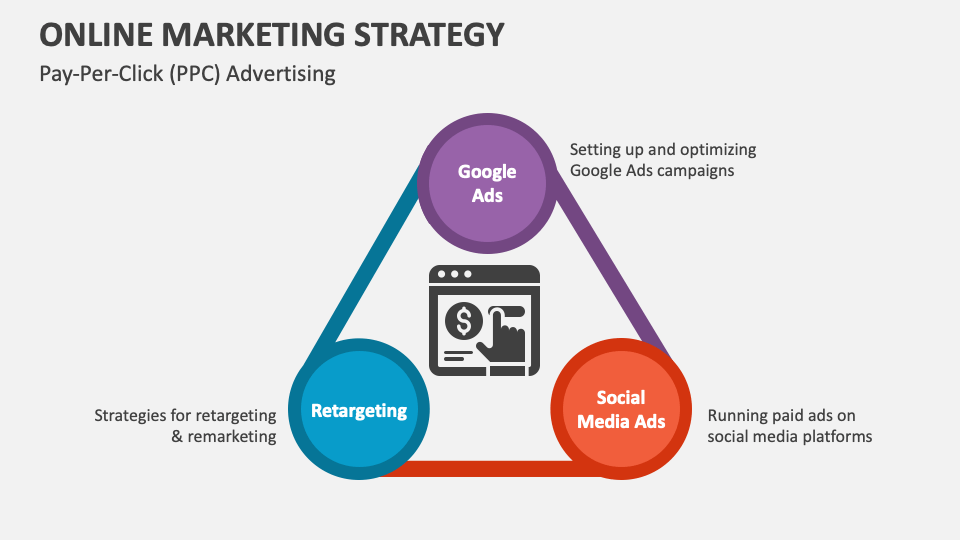
Search adverts can appear when people look for particular products, services or answers. They are useful for reaching potential customers who are already showing intent. Choose keywords carefully and make sure the advert and landing page closely match what people are searching for.
Social media advertising
Paid adverts on social media can help introduce your brand to new audiences, promote content and encourage engagement. Images, short videos and clear offers can work well, but the format and tone should suit both the platform and your audience.
Display and video advertising
Display adverts and online video can support brand awareness and help keep your business in view as people browse. These formats are often most effective when the creative is easy to understand and the message is consistent with your wider marketing.
Email and retargeting
Email is a useful way to communicate with people who have chosen to hear from your business. Retargeting can also remind previous website visitors about products or services they viewed. Use these approaches thoughtfully, with appropriate consent and frequency, so that communications remain relevant rather than intrusive.
Create a focused message
An advert should quickly explain what is being offered and why it may be useful. Use straightforward language, highlight a genuine benefit and include a clear next step, such as making an enquiry or viewing a product.
Test different headlines, images, formats and calls to action. Small changes can affect results, but avoid changing too many elements at once if you want to understand what made the difference.
Make the landing page count
The advert is only part of the customer journey. When someone clicks through, the page they reach should deliver on the advert’s promise. Keep the content relevant, make the next step obvious and ensure the page works well on mobile devices.
Check that pages load quickly, forms are easy to complete and key information is easy to find. A well-targeted advert can still perform poorly if the landing page is confusing or does not build trust.
Set and manage your budget
Decide how much you can afford to spend and how that budget will be divided between channels. Start with a manageable test budget, then review performance before increasing your investment. Monitor spending regularly and set limits to avoid unexpected costs.
Rather than judging a campaign by clicks alone, compare advertising costs with meaningful outcomes, such as qualified enquiries, completed purchases or the value of new customers.
Measure, learn and improve
Use analytics and advertising platform reports to assess whether campaigns are meeting their objectives. Useful measures may include:
- Impressions and reach
- Click-through rate
- Cost per click or enquiry
- Conversion rate
- Revenue and return on advertising spend
Choose measures that match your goal. For example, a campaign designed to build awareness may not be judged in the same way as one focused on immediate sales. Review results regularly, identify what is working and adjust targeting, creative or budget accordingly.
Respect privacy and build trust
Responsible advertising is transparent and respectful. Be clear about what you are offering, use customer data appropriately and follow relevant UK requirements for privacy, cookies and marketing communications. Trust takes time to build, and misleading claims or excessive follow-up can damage it quickly.
Common mistakes to avoid
- Running campaigns without a defined objective
- Targeting too broad an audience
- Sending every visitor to the same generic page
- Focusing on clicks instead of useful business outcomes
- Making major changes without allowing time to assess results
- Ignoring mobile users or the customer experience after the click
Conclusion
Successful online advertising is built on clear goals, relevant audiences, strong creative and careful measurement. Start with a focused campaign, learn from the results and improve it over time. With a considered approach, online advertising can become a valuable way to reach customers and support sustainable business growth.
9 Essential Tips for Effective Online Advertising Strategies
- Define clear campaign goals before spending.
- Target audiences using relevant data.
- Choose platforms your customers use.
- Write concise, benefit-led adverts.
- Use strong calls to action.
- Test different headlines and images.
- Set budgets and bids carefully.
- Track conversions, not just clicks.
- Review results and refine regularly.
Define clear campaign goals before spending.
Define clear campaign goals before spending a penny on online advertising. Decide what success looks like—whether that means more website visits, enquiries, sales or greater brand awareness—and set a measurable target and timeframe. Clear goals make it easier to choose the right channels, allocate your budget and assess what is working, so you can refine campaigns based on results rather than guesswork.
Target audiences using relevant data.
Targeting audiences using relevant data helps ensure your adverts reach people who are more likely to be interested in your products or services. Use insights such as customers’ location, interests, previous interactions and purchasing behaviour to shape your targeting and tailor your message. Keep the data accurate, relevant and responsibly collected, and review campaign results regularly so you can refine your audience over time.
Choose platforms your customers use.
Choose advertising platforms your customers already use, rather than trying to be everywhere at once. Think about who you want to reach and where they spend their time online, whether that is on search engines, social media, industry websites or other channels. Focusing your budget on the platforms that best match your audience can make your adverts more relevant and help you use your marketing spend effectively.
Write concise, benefit-led adverts.
Write concise, benefit-led adverts that quickly show people why your product or service is worth their attention. Focus on one clear advantage that matters to your audience, use straightforward language and avoid unnecessary detail. A strong headline and a clear call to action can help turn interest into clicks, enquiries or sales.
Use strong calls to action.
Use clear, compelling calls to action to show people what to do next, whether that is “Shop now”, “Get a quote” or “Book a consultation”. Match the wording to your campaign and make the benefit obvious, so the next step feels relevant and worthwhile. Place the call to action where it is easy to notice, and test different versions to see which encourages more people to respond.
Test different headlines and images.
Test different headlines and images to find out which combinations best capture your audience’s attention and encourage them to act. Try changing one element at a time, such as the wording, image or call to action, so you can see what is influencing performance. Review the results against your campaign goals, then use what you learn to refine future adverts.
Set budgets and bids carefully.
Set budgets and bids carefully to keep advertising costs under control and make the most of your spend. Decide how much you can afford to invest, set sensible daily or campaign limits, and begin with a manageable budget while you assess performance. Monitor results against meaningful goals, such as qualified enquiries or sales, rather than clicks alone. Adjust bids and shift budget towards campaigns that deliver value, while allowing enough time and data to make informed decisions.
Track conversions, not just clicks.
Track conversions, not just clicks. A click shows that someone was interested enough to visit your website, but it does not tell you whether they took a valuable next step. Measure actions that support your business goals, such as purchases, enquiries, bookings or newsletter sign-ups. By tracking conversions alongside advertising costs, you can see which campaigns bring meaningful results and make better decisions about where to invest your budget.
Review results and refine regularly.
Review your advertising results regularly to see which campaigns, audiences and messages are delivering the best outcomes. Look beyond clicks and impressions: track meaningful measures such as enquiries, sales and cost per conversion. Use what you learn to adjust your targeting, creative and budget, then monitor the impact of those changes. Regular, thoughtful refinement helps you make better use of your advertising spend and keep campaigns aligned with your business goals.
Leave a Reply