
Digital Marketing: What It Is and How It Works
Digital marketing is the promotion of products, services or brands through online channels and digital technology. It helps organisations reach people where they spend much of their time: using search engines, websites, social media, email and mobile devices.
Unlike traditional marketing, which may rely on print, television or outdoor advertising, digital marketing can be measured and adjusted using data. Businesses can see how people interact with campaigns and use those insights to improve their approach.
Common Types of Digital Marketing
Digital marketing covers a range of activities. The right mix depends on an organisation’s goals, audience and budget.
- Search engine optimisation (SEO): Improving a website so that it is more likely to appear in relevant, unpaid search results.
- Pay-per-click advertising (PPC): Placing paid adverts on search engines or other platforms, often with costs based on clicks or impressions.
- Content marketing: Creating useful or interesting material, such as articles, videos and guides, to attract and inform an audience.
- Social media marketing: Using social platforms to share content, communicate with customers and promote a brand or offer.
- Email marketing: Sending relevant updates, offers or information to people who have chosen to receive them.
- Affiliate and influencer marketing: Working with publishers, creators or other partners to introduce products and services to their audiences.
Why Is Digital Marketing Important?
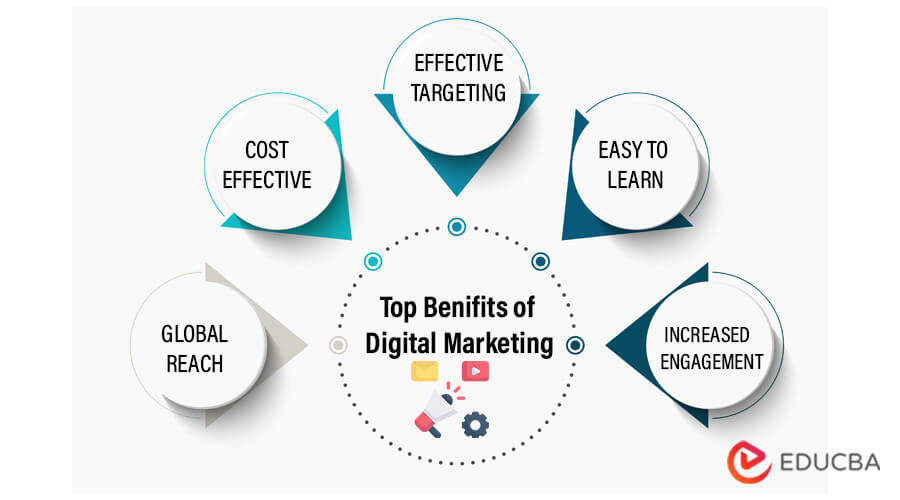
Digital marketing can help businesses reach specific audiences, build brand awareness and generate enquiries or sales. Many online channels also provide detailed performance data, making it easier to understand which messages and activities are working.
It can also support communication throughout the customer journey. Someone might first discover a business through a search result, learn more from an article, follow it on social media and later make an enquiry after receiving an email. A coordinated approach helps make these interactions consistent.
How Does a Digital Marketing Strategy Work?
A digital marketing strategy starts with clear objectives. These might include increasing website visits, generating leads, improving online sales or encouraging existing customers to return. The business then identifies its intended audience and chooses the channels most likely to reach them.
Content and campaigns are planned around those objectives. Their performance is monitored using measures such as website traffic, enquiries, conversion rates and campaign costs. The results can then inform changes to targeting, content or spending.
Digital Marketing and Traditional Marketing
Digital marketing is not necessarily a replacement for traditional marketing. The two can work together. For example, a local campaign might combine online advertising and social media with printed materials or an event. The best choice depends on where the audience is and how it prefers to engage.
In Summary
Digital marketing is the use of online channels and technology to promote a business, product or service. It brings together activities such as SEO, paid advertising, content, social media and email. With clear goals, relevant content and regular measurement, it can help organisations connect with audiences and support sustainable growth.
6 Essential Digital Marketing Tips for Better Results
- Digital marketing promotes products or services through online channels.
- Set clear goals before choosing your marketing channels.
- Know your audience and tailor content to their needs.
- Use search engines and social media to reach potential customers.
- Track results such as clicks, sales and engagement.
- Review your campaigns regularly and improve what is not working.
Digital marketing promotes products or services through online channels.
Digital marketing promotes products or services through online channels such as search engines, websites, social media and email. It helps businesses reach relevant audiences, share useful information and build relationships with potential customers. By tracking engagement and results, businesses can also refine their campaigns and focus on the approaches that work best.
Set clear goals before choosing your marketing channels.
Set clear goals before choosing your marketing channels. Decide what you want to achieve—such as increasing brand awareness, generating leads or boosting sales—then choose the channels best suited to that outcome and your target audience. A clear objective also makes it easier to measure results, focus your budget and refine your approach over time.
Know your audience and tailor content to their needs.
Knowing your audience is essential to effective digital marketing. Take time to understand their interests, needs, challenges and preferred channels, then tailor your content to offer relevant information or solutions. When people feel that your message speaks directly to them, they are more likely to engage with your brand, build trust and take action.
Use search engines and social media to reach potential customers.
Use search engines and social media to help potential customers discover your business. Search engine optimisation and relevant paid adverts can put your website in front of people looking for products or services like yours, while social media lets you share useful content, build relationships and join conversations. Focus on the platforms your audience uses, and make sure your messages are clear, helpful and consistent.
Track results such as clicks, sales and engagement.
Track results such as clicks, sales and engagement to understand how well your digital marketing is performing. These measures show which campaigns and channels are attracting attention, encouraging action and contributing to business goals. Review the data regularly, then use what you learn to refine your content, targeting and budget.
Review your campaigns regularly and improve what is not working.
Reviewing your digital marketing campaigns regularly helps you understand what is delivering results and what needs attention. Track relevant measures, such as engagement, website visits, enquiries or sales, and compare them with your goals. If a campaign is underperforming, consider adjusting its audience, messaging, creative content, channel or budget. Make one change at a time where possible, then monitor the impact. This ongoing process helps you learn from the data, use your resources more effectively and improve future campaigns.
Leave a Reply