
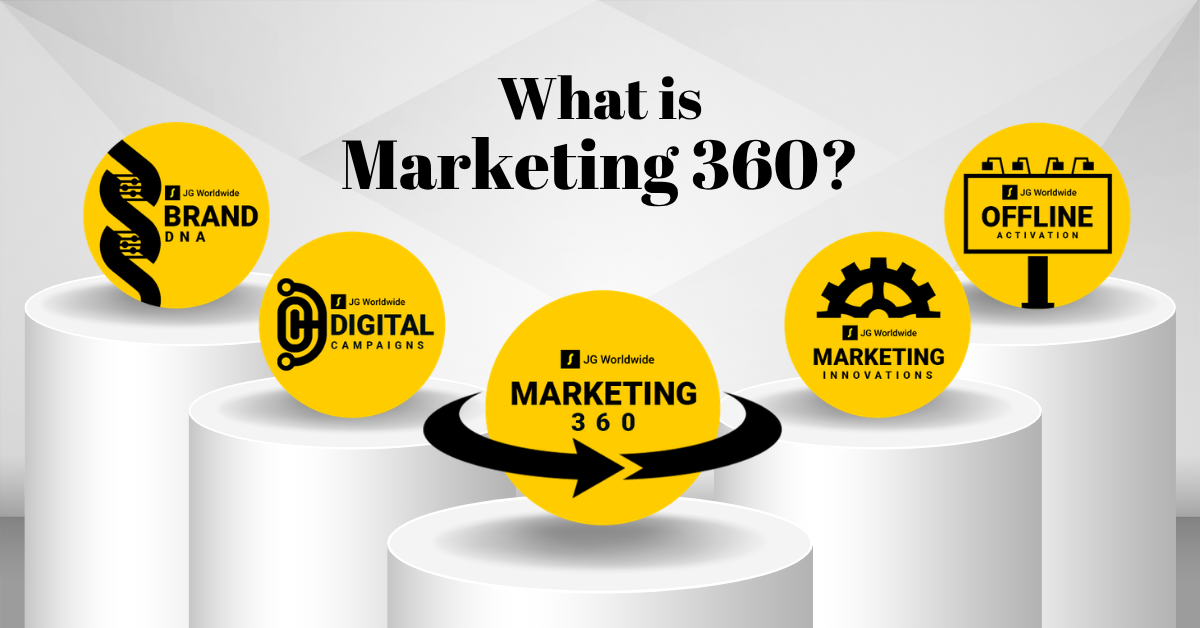
Digital Marketing 360: A Complete Guide to an Integrated Online Strategy
Customers rarely interact with a business through just one channel. They might discover a brand through a search engine, see its posts on social media, read reviews, sign up to an email list and eventually make a purchase after clicking an advert. Digital Marketing 360 brings these interactions together in one coordinated strategy.
Rather than treating each channel as a separate activity, a 360-degree approach connects them around a shared understanding of the customer and consistent business goals. The result is a more joined-up experience, from first discovery through to purchase and beyond.
What is Digital Marketing 360?
Digital Marketing 360 is an integrated approach that uses a combination of online channels to reach, engage and convert customers. The exact mix depends on the organisation, its audience and its objectives, but it may include:
- Search engine optimisation (SEO)
- Paid search and display advertising
- Social media marketing
- Content marketing
- Email marketing
- Website and conversion optimisation
- Online public relations and digital partnerships
- Analytics and customer relationship management (CRM)
The aim is not to be present on every platform. It is to choose the channels that matter to your audience and make them work together.
Why an integrated approach matters
When marketing channels are planned in isolation, customers can receive mixed messages, campaigns may compete for budget, and useful data can remain trapped in separate systems. An integrated strategy helps create a consistent brand experience and gives teams a clearer view of how different activities contribute to results.
For example, an article designed to answer a common customer question can attract organic search traffic. That content can then be shared on social media, included in an email newsletter and used to support a paid campaign. Each channel serves a different purpose, while reinforcing the same message.
The main elements of a 360-degree digital strategy
Clear objectives and audience insight
Start by defining what the marketing activity needs to achieve. Objectives might include increasing qualified enquiries, growing online sales, improving brand awareness or encouraging repeat purchases. Clear goals help guide channel selection and make performance easier to assess.
It is also important to understand the audience: what they need, what questions they ask, which platforms they use and what might prevent them from taking action. Customer research, website analytics, sales conversations and feedback can all help build this picture.
A consistent brand message
Customers should be able to recognise and understand your brand across different touchpoints. This does not mean every channel needs identical content. A social post, a landing page and an email have different formats and purposes, but they should share a consistent tone, visual identity and central proposition.
Search engine optimisation and useful content
SEO helps people find your website when they search for relevant products, services or information. It includes technical website health, useful and well-structured content, and a clear understanding of search intent.
Content marketing supports this work by answering audience questions and demonstrating expertise. Helpful guides, videos, case studies and product information can attract visitors and support them as they consider their options.
Paid media and social channels
Paid search, social media advertising and display campaigns can help businesses reach specific audiences or promote time-sensitive offers. Organic social media can support community engagement, customer service and brand visibility.
These channels work best when their role is clearly defined. Paid advertising can provide targeted reach, while organic content can build familiarity and encourage ongoing interaction. Both should lead to relevant pages and useful next steps.
Email, CRM and customer retention
Digital marketing does not end when someone visits a website or makes a purchase. Email marketing and CRM systems can help businesses maintain relevant communication, manage enquiries and support customer retention.
Messages should be timely and useful, based on the customer’s needs and permissions. In the UK, marketing activity must also comply with applicable data protection and electronic marketing rules.
A website built to convert
Your website is often the central point of a digital campaign. It should load reliably, work well on mobile devices, explain your offer clearly and make it easy for visitors to take the next step.
That next step might be making a purchase, requesting a quotation, booking an appointment or contacting your team. Conversion rate optimisation uses research and testing to identify ways to make these journeys simpler and more effective.
Measuring results across channels
A 360-degree strategy needs measurement that reflects the customer journey, not just individual channel activity. Useful measures may include:
- Website visits and the quality of that traffic
- Search visibility and organic conversions
- Advertising spend and return on investment
- Engagement with social and email content
- Enquiries, sales and cost per acquisition
- Repeat purchases and customer retention
Not every result can be credited to a single channel. Someone may see a social post, search for the brand later and then convert through an email. Combining analytics with customer feedback and suitable attribution methods can provide a more realistic view of how marketing contributes to business outcomes.
How to get started with Digital Marketing 360
- Review your current activity: Identify which channels are performing, where there are gaps and whether your messaging is consistent.
- Set priorities: Choose a small number of measurable business objectives rather than trying to do everything at once.
- Map the customer journey: Consider how people discover, evaluate and choose your products or services.
- Select the right channels: Focus on the platforms and formats that best match your audience and resources.
- Connect your campaigns: Make sure content, advertising, landing pages and follow-up communications support the same goals.
- Measure and improve: Review performance regularly, test changes and invest more in activity that delivers meaningful results.
Common challenges to avoid
A 360-degree strategy can become complicated if it involves too many channels, unclear ownership or disconnected data. Businesses may also focus on visible metrics, such as impressions or followers, without checking whether those figures support meaningful outcomes.
Start with a manageable plan. Make sure each channel has a purpose, responsibilities are clear and reporting connects marketing activity to business objectives. An integrated approach should simplify decision-making, not add unnecessary complexity.
Building a more connected digital presence
Digital Marketing 360 is about creating a coherent experience across the online channels your customers use. With clear objectives, useful content, consistent messaging and regular measurement, businesses can make their marketing more joined-up and effective.
The strongest strategy is not necessarily the one with the most channels. It is the one that understands its audience, chooses the right mix of activity and continually improves based on evidence.
Understanding Digital Marketing 360: Key Concepts and Common Questions
- What are the 7 C’s of digital marketing?
- What are the stages of 360 marketing campaign?
- Is marketing 360 any good?
- What is 360-degree marketing example?
- What does a 360 marketing plan include?
- What is a 360 plan?
- What is 360 degree SEO?
- What is a 360 digital agency?
What are the 7 C’s of digital marketing?
The 7 C’s of digital marketing are commonly described as Customer, Content, Context, Community, Convenience, Cohesion and Conversion. Together, they encourage businesses to understand their audience, create useful content, deliver it in the right setting, build relationships, make interactions easy, keep the brand experience consistent and guide people towards meaningful actions. The exact wording can vary between frameworks, but the central idea is to put the customer at the heart of a connected digital strategy.
What are the stages of 360 marketing campaign?
The stages of a 360 marketing campaign usually begin with setting clear objectives and researching the target audience, market and customer journey. Next, the business develops a joined-up strategy, choosing the right mix of channels and creating consistent messages and content for each one. The campaign is then launched across those channels, with performance monitored throughout so that budgets, messaging and activity can be adjusted where needed. Finally, results are evaluated against the original objectives, and the insights are used to improve future campaigns.
Is marketing 360 any good?
Yes, a 360-degree marketing approach can be highly effective when it’s planned around clear business goals and your customers’ needs. By coordinating channels such as SEO, social media, email and paid advertising, it can create a more consistent customer experience and help your messages reach people at different stages of their journey. It isn’t automatically right for every business, though: using too many channels without a clear strategy can waste time and budget. Choose the channels your audience uses, track meaningful results and adjust your approach as you learn what works.
What is 360-degree marketing example?
A 360-degree marketing example is a product launch supported by a coordinated mix of channels. A business might publish an SEO-focused article and launch a product page, promote them through social media and paid adverts, send a targeted email to subscribers, and follow up with helpful content or offers. Each activity uses a consistent message and directs customers towards the same goal, while performance data helps the business understand which channels are most effective.
What does a 360 marketing plan include?
A 360 marketing plan brings together the channels and activities needed to reach customers throughout their journey. It typically includes audience research, clear objectives, a consistent brand message, a coordinated mix of SEO, content, social media, email and paid advertising, plus a website designed to encourage action. It also sets out budgets, responsibilities, timelines and measures of success, so performance can be reviewed and the plan refined over time.
What is a 360 plan?
A 360 plan is a coordinated marketing plan that brings together the channels and activities a business uses to reach its audience. It may include SEO, paid advertising, social media, content, email and website optimisation, all guided by shared objectives and a consistent message. The plan should reflect the customer journey, define how each channel supports the wider strategy, and set clear ways to measure results.
What is 360 degree SEO?
360-degree SEO is a holistic approach to improving a website’s visibility in search results by bringing all aspects of search engine optimisation together. It covers technical foundations, on-page optimisation, useful content, link building, local SEO, mobile usability and performance measurement. Rather than focusing on a single ranking factor, it aims to make a website accessible, relevant and valuable to both search engines and visitors, supporting the customer journey from discovery to conversion.
What is a 360 digital agency?
A 360 digital agency is a marketing agency that offers a coordinated range of online services, such as SEO, paid advertising, social media, content creation, email marketing, web design and analytics. Rather than treating each channel as a separate activity, it brings them together under one strategy to deliver consistent messages, reach customers at different stages of their journey and measure performance against shared business goals. The services included vary by agency, so it is worth checking that its expertise matches your needs.
Leave a Reply