
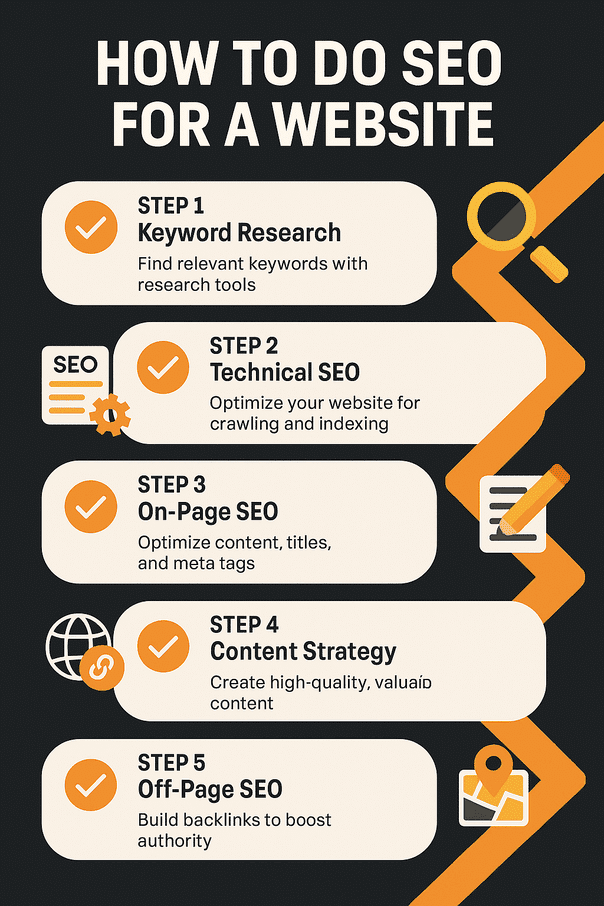
How to Do SEO: A Beginner’s Guide
Search Engine Optimization (SEO) is a crucial aspect of digital marketing that helps websites rank higher in search engine results pages. Whether you’re a business owner, marketer, or aspiring SEO specialist, understanding the basics of SEO is essential for online success. Here’s a beginner’s guide on how to do SEO effectively:
Keyword Research
The first step in any SEO strategy is keyword research. Identify relevant keywords and phrases that your target audience is likely to use when searching for your products or services. Tools like Google Keyword Planner and SEMrush can help you discover high-volume keywords with low competition.
On-Page Optimization
Optimizing your website’s on-page elements is crucial for SEO success. Ensure that your titles, meta descriptions, headings, and content include your target keywords naturally. Use descriptive URLs and optimize image alt text to improve your website’s visibility.
Quality Content Creation
Create high-quality, relevant content that provides value to your audience. Regularly update your website with fresh content, such as blog posts, articles, videos, and infographics. Engaging content not only attracts visitors but also improves your site’s search engine rankings.
Link Building
Build a strong backlink profile by acquiring links from reputable websites in your industry. Guest blogging, social media promotion, and influencer partnerships are effective ways to earn quality backlinks that boost your site’s authority and credibility.
Mobile Optimization
With the increasing use of mobile devices for browsing the internet, it’s essential to ensure that your website is mobile-friendly. Responsive design, fast loading times, and easy navigation on mobile devices are key factors that influence both user experience and search engine rankings.
Monitoring and Analysis
Track your website’s performance using tools like Google Analytics and Google Search Console. Monitor key metrics such as organic traffic, keyword rankings, bounce rate, and conversion rates. Analyze the data regularly to identify areas for improvement and adjust your SEO strategy accordingly.
By following these fundamental steps in SEO best practices, you can enhance your website’s visibility in search engines and attract more organic traffic. Remember that SEO is an ongoing process that requires dedication, patience, and continuous learning to stay ahead in the ever-evolving digital landscape.
15 Common Questions About Mastering SEO: A Beginner’s Guide
- How do you perform SEO on a website?
- Can I learn SEO on my own?
- What are the 4 stages of SEO?
- How do beginners do SEO?
- How do you do SEO for a website?
- How can I do SEO for my website?
- What are the 4 types of SEO?
- How to do SEO for beginners?
- Is SEO difficult to learn?
- How can I do Google SEO for free?
- Can I do SEO on my own?
- Can I learn SEO by myself?
- What is SEO and how do you use it?
- What is SEO and how it works for beginners?
- How can I practice SEO for free?
How do you perform SEO on a website?
Performing SEO on a website involves a strategic approach to optimising various elements to improve its visibility and ranking in search engine results. To begin, conduct thorough keyword research to identify relevant terms for your content. Next, optimise on-page elements such as titles, meta descriptions, headings, and content with these keywords. Quality content creation is key, as engaging and informative material attracts both visitors and search engines. Building a strong backlink profile from reputable sites and ensuring mobile optimisation are also crucial steps. Regular monitoring and analysis of performance metrics help in refining the SEO strategy for long-term success. By following these steps diligently, you can effectively perform SEO on your website and enhance its online presence.
Can I learn SEO on my own?
Learning SEO on your own is indeed possible and can be a rewarding experience for those willing to invest time and effort into mastering the principles of search engine optimisation. With an abundance of online resources, courses, and guides available, individuals can educate themselves on SEO techniques, best practices, and industry trends. By conducting research, experimenting with different strategies, and staying updated on algorithm changes, aspiring SEO enthusiasts can develop valuable skills that contribute to improving website visibility and driving organic traffic. While formal training or mentorship can accelerate the learning process, self-learning remains a viable option for those motivated to excel in the dynamic field of SEO.
What are the 4 stages of SEO?
Understanding the four key stages of SEO is essential for anyone looking to enhance their website’s visibility and performance in search engine results. The first stage is the initial analysis, where you assess your current website, target audience, and competition. This stage sets the foundation for your SEO strategy. The second stage involves on-page optimization, where you focus on improving elements within your website such as content, meta tags, and URLs to make them more search engine friendly. The third stage is off-page optimization, which includes activities like link building and social media promotion to increase your site’s authority and relevance. Finally, the fourth stage is monitoring and adapting, where you track your SEO efforts using analytics tools and make adjustments based on performance data to continually improve your website’s SEO effectiveness. By understanding and implementing these four stages effectively, you can drive organic traffic to your website and achieve sustainable online success.
How do beginners do SEO?
For beginners looking to delve into the world of SEO, the key lies in understanding and implementing fundamental strategies effectively. Start by conducting thorough keyword research to identify relevant terms that align with your content and target audience. Focus on on-page optimization by incorporating these keywords strategically into your titles, meta descriptions, and content. Quality content creation is paramount – regularly update your website with engaging and informative material. Building a strong backlink profile from reputable sources and ensuring mobile optimization are also crucial steps for beginners venturing into SEO. Continuous monitoring, analysis, and adaptation of your strategies based on performance metrics will help you navigate the complexities of SEO successfully as a beginner.
How do you do SEO for a website?
When it comes to optimising a website for search engines, the process of SEO involves various strategies and techniques aimed at improving the site’s visibility and ranking in search engine results pages. To do SEO for a website effectively, one must start with thorough keyword research to identify relevant terms that users are searching for. This is followed by on-page optimisation, which includes optimising meta tags, headings, and content with targeted keywords. Building quality backlinks from reputable websites, creating engaging content, ensuring mobile responsiveness, and monitoring performance metrics are all essential components of a successful SEO strategy for a website. By implementing these practices consistently and staying updated on industry trends, one can enhance their website’s online presence and attract organic traffic from search engines.
How can I do SEO for my website?
When it comes to optimising your website for search engines, implementing a solid SEO strategy is key to improving your online visibility and attracting more organic traffic. To do SEO for your website effectively, start by conducting thorough keyword research to identify relevant terms that resonate with your target audience. Optimise your on-page elements, such as titles, meta descriptions, and content, by incorporating these keywords naturally. Focus on creating high-quality, engaging content that provides value to your visitors and encourages them to stay on your site. Additionally, building a strong backlink profile from reputable sources and ensuring your website is mobile-friendly are essential components of a successful SEO campaign. Regularly monitor and analyse your website’s performance using tools like Google Analytics to track progress and make informed adjustments to your strategy. By following these steps diligently, you can enhance your website’s search engine rankings and ultimately drive more traffic to your site.
What are the 4 types of SEO?
When it comes to Search Engine Optimization (SEO), understanding the different types is essential for implementing a comprehensive strategy. The four main types of SEO include on-page SEO, off-page SEO, technical SEO, and local SEO. On-page SEO focuses on optimizing individual web pages to improve search engine rankings. Off-page SEO involves building backlinks and promoting your website on external platforms. Technical SEO deals with website structure, speed, and other technical aspects that impact search visibility. Lastly, local SEO targets geographically specific searches to help businesses attract local customers. By incorporating all four types of SEO into your strategy, you can enhance your online presence and reach a wider audience effectively.
How to do SEO for beginners?
For beginners looking to delve into the world of SEO, the key lies in understanding the fundamental principles and implementing them effectively. Start by conducting thorough keyword research to identify relevant terms that align with your content and target audience. Optimise your website’s on-page elements, including titles, meta descriptions, and headings, with these keywords to enhance visibility in search engine results. Focus on creating high-quality, engaging content that adds value to users and encourages organic traffic growth. Building a strong backlink profile from reputable sources and ensuring mobile optimisation are also essential components of a successful SEO strategy for beginners. Regular monitoring and analysis of performance metrics will help track progress and refine strategies for long-term success in the dynamic landscape of search engine optimisation.
Is SEO difficult to learn?
Understanding the intricacies of SEO can seem daunting to beginners, but with dedication and the right resources, learning SEO is definitely achievable. While mastering SEO requires ongoing education and staying updated on industry trends, the fundamentals can be grasped through online courses, tutorials, and practical experience. By breaking down the concepts into manageable steps and consistently applying them to real-world scenarios, individuals can gradually build their expertise in SEO. Ultimately, like any skill worth acquiring, patience and persistence are key in mastering the art of search engine optimization.
How can I do Google SEO for free?
For those seeking to improve their Google SEO without incurring costs, there are several effective strategies that can be implemented for free. Start by conducting thorough keyword research to identify relevant search terms for your content. Optimise your website’s on-page elements, such as titles, meta descriptions, and headings, with these keywords. Create high-quality and engaging content that resonates with your target audience. Focus on building a strong backlink profile by reaching out to industry-related websites for guest posting opportunities or participating in online communities. Regularly monitor your website’s performance using free tools like Google Analytics and Google Search Console to track progress and make necessary adjustments. By consistently applying these free SEO techniques, you can enhance your website’s visibility on Google search results pages without breaking the bank.
Can I do SEO on my own?
When it comes to the question of whether you can do SEO on your own, the answer is yes, but it requires time, effort, and a solid understanding of SEO principles. While hiring a professional SEO agency or specialist can provide expertise and save you time, many individuals and small businesses choose to tackle SEO themselves. By educating yourself on best practices, conducting thorough keyword research, optimizing your website’s content and structure, and consistently monitoring performance, you can certainly improve your site’s search engine visibility. Keep in mind that SEO is an ongoing process that requires dedication and adaptation to algorithm changes to achieve long-term success.
Can I learn SEO by myself?
Many individuals wonder, “Can I learn SEO by myself?” The answer is a resounding yes. Learning SEO independently is not only possible but also highly achievable with the wealth of resources available online. By dedicating time to studying reputable SEO guides, attending webinars, and experimenting with practical implementation on websites, aspiring SEO enthusiasts can grasp the fundamentals and intricacies of search engine optimization. Continuous learning, staying updated with industry trends, and hands-on practice are key to mastering SEO skills independently.
What is SEO and how do you use it?
Search Engine Optimization (SEO) is a digital marketing strategy aimed at improving a website’s visibility and ranking on search engine results pages. By optimising various aspects of a website, such as content, keywords, meta tags, and backlinks, SEO helps increase organic traffic and attract more relevant visitors. To use SEO effectively, businesses need to conduct thorough keyword research to identify target keywords, create high-quality content that incorporates these keywords naturally, optimize on-page elements like titles and meta descriptions, build quality backlinks from reputable websites, ensure mobile compatibility, and regularly monitor and analyse performance metrics. By following best SEO practices and staying up-to-date with algorithm changes, businesses can enhance their online presence and reach their target audience effectively.
What is SEO and how it works for beginners?
Search Engine Optimization (SEO) is a fundamental digital marketing strategy aimed at improving a website’s visibility in search engine results. For beginners, SEO involves optimising various aspects of a website to make it more search engine-friendly and user-friendly. This includes keyword research, on-page optimization, quality content creation, link building, mobile optimization, and monitoring performance metrics. By implementing these SEO techniques effectively, beginners can enhance their website’s online presence, attract more organic traffic, and ultimately improve their search engine rankings. Understanding the basics of SEO and staying updated with industry trends are essential for beginners looking to succeed in the competitive online landscape.
How can I practice SEO for free?
For those looking to practice SEO for free, there are several valuable resources and strategies available. Start by educating yourself through online guides, blogs, and tutorials that offer insights into SEO best practices. Utilise free keyword research tools like Google Keyword Planner and Ubersuggest to identify relevant keywords for your content. Optimise your website’s on-page elements such as titles, meta descriptions, and headings with target keywords. Additionally, focus on creating high-quality content regularly to attract organic traffic and improve search engine rankings. Engage in link building by reaching out to websites for guest blogging opportunities or participating in online communities related to your industry. By dedicating time and effort to these free SEO practices, you can enhance your skills and boost your website’s visibility without breaking the bank.
Leave a Reply