
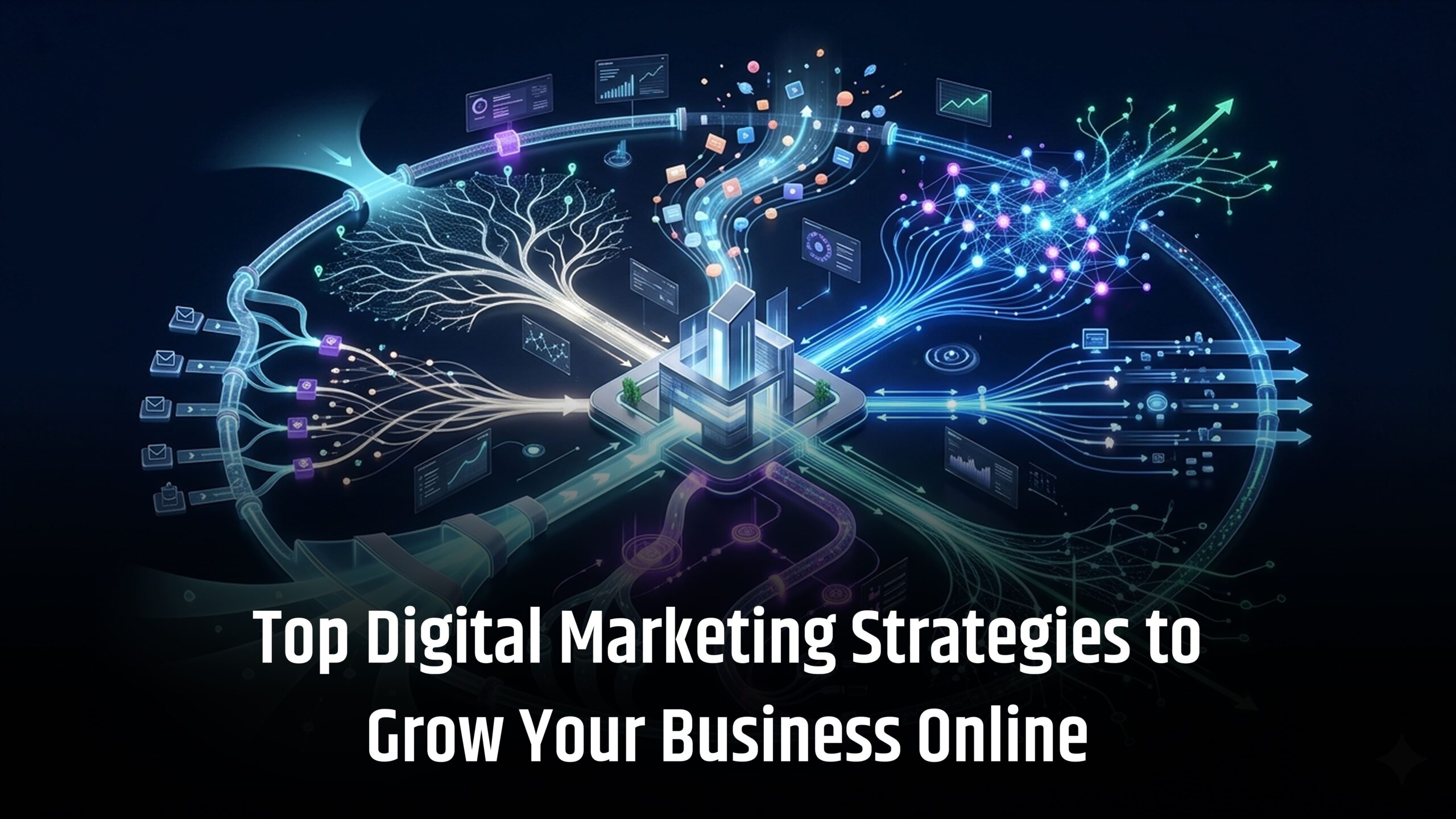
How to Grow Your Digital Marketing
Growing your digital marketing is about more than increasing your budget or posting more often. It means reaching the right people, giving them useful reasons to engage with your business and making it easier for them to become customers. A clear strategy, consistent measurement and a willingness to improve can help businesses build a stronger online presence over time.
Start with clear goals
Before choosing channels or creating content, decide what you want your marketing to achieve. Your goals might include increasing brand awareness, attracting more website visitors, generating enquiries, growing online sales or encouraging repeat business.
Make each goal specific and measurable. For example, rather than aiming to “get more traffic”, set a target to increase relevant organic website visits by a defined amount over a set period. Clear goals help you prioritise activity and judge whether it is working.
Understand your audience
Effective digital marketing starts with knowing who you want to reach. Consider your customers’ needs, questions, preferences and purchasing habits. Look at feedback, customer conversations, website analytics and search queries to understand what matters to them.
This insight can shape your messaging, content and choice of channels. It also helps you avoid broad, generic campaigns that may reach many people but connect with few of them.
Build a useful website
Your website is often where potential customers decide whether to take the next step. Make sure it is easy to navigate, works well on mobile devices and explains clearly what you offer. Pages should load promptly, use straightforward language and include obvious calls to action, such as making an enquiry or buying a product.
Review key pages regularly. Check that contact details are up to date, links work and visitors can find the information they need without unnecessary effort.
Use content to earn attention
Helpful content can attract people who are researching a problem or comparing options. Depending on your audience, this might include articles, guides, short videos, case studies, email updates or social media posts.
Focus on answering real questions rather than publishing for the sake of it. A useful content plan can help you cover important topics consistently and adapt the same ideas for different channels. For instance, a detailed guide could provide material for several shorter social posts or an email newsletter.
Make search engine optimisation part of the plan
Search engine optimisation (SEO) can help people discover your website when they search for relevant products, services or advice. Begin with the language your customers use, then make sure your pages address their needs clearly. Well-organised headings, descriptive page titles, useful information and a technically sound website all contribute to a better experience for visitors and search engines.
SEO usually takes time. Regularly review performance and keep information accurate and up to date, rather than expecting immediate results.
Choose channels carefully
There is no need to be active on every digital platform. Choose channels that suit your audience and business objectives. Search, email, social media, online advertising and partnerships can all play a role, but each requires time and attention.
Start with a manageable number of channels. Learn what generates meaningful engagement or enquiries, then refine your approach before expanding. Consistent, relevant activity is generally more valuable than spreading resources too thinly.
Measure what matters
Use analytics to understand how people find and use your digital channels. Depending on your goals, useful measures may include qualified website visits, enquiry rates, sales, email sign-ups or repeat purchases. Avoid relying on figures such as impressions or follower numbers alone; they do not always show whether marketing is contributing to business results.
Review performance at regular intervals. Compare results with your goals, identify what is working and test sensible improvements. Small changes to a landing page, advert or email can provide valuable learning when their impact is measured carefully.
Keep improving
Digital marketing changes as customer expectations, technology and competition evolve. Set aside time to review your strategy, update content and test new ideas. Keep what delivers value, improve what has potential and stop activities that consistently fail to support your objectives.
Growing digital marketing is a gradual process. With clear goals, a strong understanding of your audience and a focus on measurable progress, your business can build a more effective online presence and develop lasting relationships with customers.
Digital Marketing and Growth: Your Questions Answered
- What is growth in digital marketing?
- How can digital marketing increase reach?
- How do I know if my digital marketing agency is legit?
- Does digital marketing really pay?
- What is grow digital?
- How do you grow in marketing?
What is growth in digital marketing?
Growth in digital marketing means using online channels to increase a business’s reach and achieve measurable results, such as more relevant website visits, enquiries, sales or repeat customers. It involves understanding your audience, choosing suitable channels, creating useful content and regularly measuring performance so you can refine your approach. Rather than focusing only on visibility or follower numbers, sustainable growth connects digital activity to meaningful business goals.
How can digital marketing increase reach?
Digital marketing can increase your reach by helping your business connect with people beyond its existing customer base. Search engine optimisation can make your website easier to find, while social media, email campaigns and online advertising can introduce your products or services to relevant audiences across different channels. By sharing useful, engaging content and targeting campaigns based on factors such as interests, location or search behaviour, you can attract more potential customers and build awareness. Regularly reviewing results helps you focus on the channels and messages that reach the right people most effectively.
How do I know if my digital marketing agency is legit?
A legitimate digital marketing agency should be transparent about its services, pricing, methods and expected outcomes, without promising guaranteed rankings or overnight success. Check its company details, client reviews and relevant case studies, and ask to speak with past or current clients if appropriate. A trustworthy agency will explain how it measures performance, provide regular reports and make sure you retain access to your website, advertising accounts and data. Before signing, read the contract carefully and clarify deliverables, fees, cancellation terms and ownership of any work produced.
Does digital marketing really pay?
Yes, digital marketing can pay when it is planned around clear business goals and reaches the right audience. Activities such as search engine optimisation, paid advertising, email marketing and useful content can attract potential customers and support sales, but results vary by industry, budget and execution. Track meaningful measures—such as qualified enquiries, conversions and revenue—against the cost of your campaigns, and refine your approach based on what performs best. Digital marketing is an investment, so it may take time to see returns, particularly with longer-term strategies such as SEO.
What is grow digital?
“Grow digital” generally means using online channels and technology to help a business reach more people and achieve its goals. This can include improving a website, creating useful content, using search engine optimisation, social media, email marketing and online advertising, then measuring the results to see what works. The right approach depends on the business, its audience and what it wants to achieve.
How do you grow in marketing?
You can grow in marketing by setting clear goals, understanding your audience and consistently delivering useful, relevant content across the channels they use. Measure results against meaningful targets, such as qualified enquiries or sales, and use what you learn to improve your campaigns. Build your skills through practical experience, feedback and ongoing learning, while keeping up with changes in customer behaviour and digital platforms.
Leave a Reply