
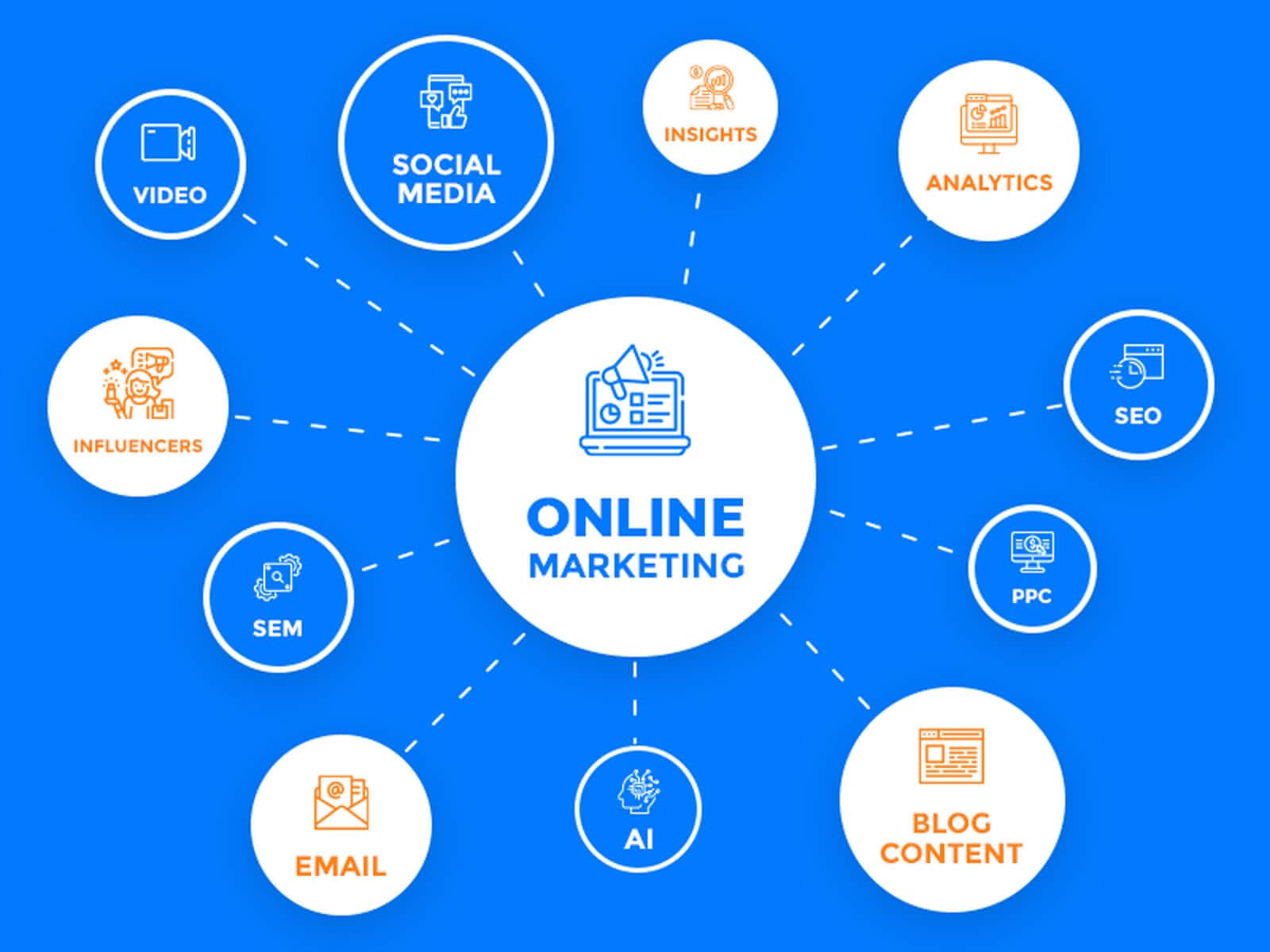
Online Marketing in 2019: Key Trends and Lessons
Online marketing changed quickly in 2019. Businesses faced growing competition for attention, while search engines, social platforms and advertising tools continued to evolve. Successful campaigns relied less on being present everywhere and more on understanding audiences, choosing suitable channels and providing useful, relevant content.
Content remained central
Content marketing was still a core part of many digital strategies. Articles, guides, videos and social posts helped businesses answer customers’ questions and build trust before asking them to make a purchase. The strongest content was created with a clear audience and purpose in mind, rather than simply to fill a publishing schedule.
Quality mattered. Search engines were increasingly effective at recognising whether pages offered genuine value, so businesses had reason to focus on accurate information, clear structure and a good user experience. Regularly reviewing older content also helped keep important pages useful and up to date.
Mobile-first experiences became essential
People used smartphones to search, browse, compare products and make purchases. A website that worked well on a desktop but was difficult to use on a mobile device risked losing visitors. Fast loading times, readable text, simple navigation and easy-to-use forms were important parts of an effective online experience.
Mobile optimisation also meant considering the whole customer journey. Marketing messages, landing pages and checkout processes needed to work smoothly on smaller screens, not just the website’s home page.
Video and social media competed for attention
Video continued to be a popular way to explain products, share expertise and tell a brand’s story. Short, engaging clips suited social feeds, while longer videos could offer demonstrations, interviews or in-depth guidance. Businesses needed to choose formats that matched their message and audience, rather than producing video simply because it was fashionable.
Social media remained useful for building awareness and having conversations with customers. Each platform had its own audience and style, so a thoughtful presence on a few relevant channels was often more practical than trying to maintain an active profile everywhere. Paid social advertising could extend a campaign’s reach, but worked best when supported by clear targeting and strong creative.
Search marketing combined organic and paid activity
Search engine optimisation (SEO) helped businesses attract people actively looking for information, services or products. In 2019, sound SEO involved more than adding keywords to a page. It included creating helpful content, organising a site clearly, earning relevant links and making sure pages were accessible and technically sound.
Pay-per-click advertising offered a way to appear prominently for selected searches and reach potential customers more quickly. Because paid campaigns could use up budgets rapidly, careful keyword selection, well-written adverts and relevant landing pages were essential. Reviewing performance and adjusting campaigns helped reduce wasted spend.
Personalisation and customer data
Marketing tools made it easier to tailor messages to people’s interests, behaviour and stage in the buying process. Email campaigns, for example, could be organised around different customer needs instead of sending the same message to everyone. Personalisation was most effective when it felt helpful and appropriate, rather than intrusive.
Trust and responsible data handling were also important. With privacy rules such as the GDPR in force, businesses needed to be clear about how personal information was collected and used, and to respect people’s choices about marketing communications.
Measurement mattered more than activity
Online marketing platforms provided a wide range of metrics, from impressions and clicks to enquiries and sales. However, a high number of views did not necessarily mean a campaign was successful. Businesses benefited from choosing measures linked to their objectives, such as qualified leads, completed purchases or repeat visits.
Tracking results made it easier to learn what worked. Testing different headlines, adverts or page layouts could reveal practical improvements, while regular reporting helped teams make decisions based on evidence rather than assumptions.
What businesses could learn from 2019
The main lesson from online marketing in 2019 was that effective digital activity needed to be joined up. A useful article could support SEO, provide material for social media and help answer questions from prospective customers. A paid campaign could bring visitors to a landing page, but the page still needed to deliver a clear and relevant experience.
Businesses that understood their audiences, focused on useful content and measured meaningful outcomes were better placed to make the most of online channels. Those principles remain valuable beyond 2019: technology and platforms change, but relevance, trust and a good customer experience continue to underpin effective marketing.
8 Essential Online Marketing Tips for 2019: Boost Your Digital Strategy
- Optimise your site for mobile users.
- Use SEO to improve organic visibility.
- Create useful, shareable content.
- Test social media adverts with small budgets.
- Build an email list and segment subscribers.
- Use video to explain products and services.
- Track conversions with analytics tools.
- Keep customer data secure and respect privacy rules.
Optimise your site for mobile users.
Optimising your website for mobile users was essential to online marketing in 2019, as more people used smartphones to search, browse and shop. Make sure your pages load quickly, text is easy to read and navigation works smoothly on smaller screens. Forms and checkout steps should also be simple to complete on a phone. A mobile-friendly experience helps visitors find what they need and can reduce the chances of them leaving before taking action.
Use SEO to improve organic visibility.
Use SEO to improve your organic visibility by helping your website appear in relevant search results without relying solely on paid advertising. In 2019, this meant researching the terms your audience used, creating useful and well-structured content, and making sure your site was fast, mobile-friendly and easy to navigate. SEO takes time, but consistent improvements can attract more qualified visitors and build lasting visibility for your business.
Create useful, shareable content.
In 2019, creating useful, shareable content was a practical way to attract attention and build trust online. Focus on what your audience genuinely wants to know, then offer clear advice, helpful answers or fresh insights in a format that is easy to read and pass on. Articles, videos, infographics and checklists can all work well when they provide real value. Encourage sharing with engaging headlines and convenient social buttons, but prioritise usefulness over promotion: content people find genuinely helpful is more likely to be shared and remembered.
Test social media adverts with small budgets.
Test social media adverts with small budgets before committing to a larger campaign. Trying different images, headlines, formats and audience groups can show which combinations attract the most relevant clicks or enquiries. Set a clear objective, monitor results against it and pause adverts that underperform. Once you have evidence of what works, gradually increase the budget while continuing to review performance.
Build an email list and segment subscribers.
Building an email list gives your business a direct way to stay in touch with people who have chosen to hear from you. In 2019, it was important to collect subscribers’ details transparently and obtain the appropriate consent, then segment the list by factors such as interests, past purchases or where people were in the customer journey. Sending relevant, tailored messages to each group could improve engagement and make campaigns more useful than sending the same email to everyone.
Use video to explain products and services.
Use video to explain your products and services in a clear, engaging way. In 2019, video was a popular format for demonstrating how something works, highlighting its benefits and answering common customer questions. Keep each video focused, make it easy to watch on mobile and include captions so viewers can follow along without sound. A useful, well-made video can help potential customers understand what you offer and feel more confident about taking the next step.
Track conversions with analytics tools.
Track conversions with analytics tools to understand which parts of your online marketing are delivering results. In 2019, platforms such as Google Analytics helped businesses monitor valuable actions, including purchases, enquiries, bookings and newsletter sign-ups. By setting up conversion goals and reviewing the channels, campaigns and pages that led to them, you could identify what was working, improve underperforming activity and make better-informed decisions about where to invest your marketing budget.
Keep customer data secure and respect privacy rules.
In 2019, protecting customer data and respecting privacy rules were essential parts of responsible online marketing. Businesses needed to explain clearly what information they collected, why they needed it and how it would be used, while ensuring it was stored securely. Following the GDPR and respecting people’s consent and communication preferences helped reduce legal risks and, just as importantly, build trust with customers.
Leave a Reply