
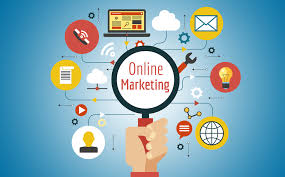
Online Marketing: What It Is and How It Works
Online marketing is the promotion of a business, product or service through the internet. Also known as digital marketing, it uses online channels to reach potential customers, build awareness and encourage people to take action—such as making a purchase, booking a service or signing up to a newsletter.
Unlike traditional advertising, online marketing can be tailored to specific audiences and measured in detail. Businesses can track how people find their website, which content they engage with and whether a campaign leads to enquiries or sales. These insights help marketers understand what is working and where improvements may be needed.
Common types of online marketing
Online marketing brings together a range of approaches. A business may use one method or combine several, depending on its goals, audience and budget.
- Search engine optimisation (SEO): Improving a website and its content to help it appear in relevant search engine results.
- Pay-per-click advertising (PPC): Paying to show adverts on search engines, social media platforms or other websites. Advertisers are often charged when someone clicks an advert.
- Content marketing: Creating useful articles, guides, videos or other resources to answer questions and build trust with an audience.
- Social media marketing: Using social platforms to share content, engage with customers and promote products or services.
- Email marketing: Sending relevant updates, offers or helpful information to people who have chosen to receive communications.
- Affiliate and influencer marketing: Working with publishers or creators who introduce a business to their audiences, often in return for a fee or commission.
Why businesses use online marketing
Online marketing can help businesses reach people who are already looking for particular products or services, as well as introduce a brand to new audiences. It can support a range of objectives, including increasing website traffic, generating leads, improving sales and encouraging repeat business.
It can also be more flexible than many traditional forms of promotion. Campaigns can be adjusted as results come in, and businesses can choose how much to spend. However, success is not automatic: effective marketing depends on clear objectives, a good understanding of the audience and consistent, relevant communication.
How to build an online marketing strategy
A strong strategy begins with a clear goal. For example, a business might want to attract more local customers, increase online sales or grow its email subscriber list. The goal should guide the choice of channels and the way results are measured.
- Understand your audience. Consider who you want to reach, what they need and how they search for information or make decisions.
- Choose suitable channels. Focus on the platforms and formats your audience is most likely to use, rather than trying to be everywhere at once.
- Create useful content. Make sure your website, adverts and communications are clear, accurate and relevant to the people you want to reach.
- Set a budget and timescale. Decide what you can invest and allow enough time to assess performance, particularly for longer-term activity such as SEO.
- Measure and improve. Review meaningful results, such as qualified enquiries, sales or repeat visits, and use them to refine your approach.
Online marketing is an ongoing process
Online marketing is not simply about publishing an advert or posting on social media once. It is an ongoing process of reaching the right people, giving them a reason to engage and learning from the results. Search habits, technologies and customer expectations change, so regular reviews are important.
When planned around genuine customer needs, online marketing can help a business build visibility, develop stronger relationships and achieve measurable growth. The most effective approach is usually a thoughtful mix of channels, supported by clear goals and a willingness to adapt.
Understanding Online Marketing: Answers to 9 Frequently Asked Questions
- Is online marketing e commerce?
- What is meant by online marketing?
- What is the purpose of online marketing?
- What are the four types of online marketing?
- What is the term for online marketing?
- How does online marketing work?
- What is online marketing introduction?
- What is online marketing and its types?
- What are online marketing’s advantages and disadvantages?
Is online marketing e commerce?
No, online marketing and e-commerce are not the same thing. Online marketing is the promotion of a business, product or service through digital channels such as search engines, social media, email and websites. E-commerce means buying and selling goods or services online. The two often work together: online marketing can attract customers to an e-commerce website and encourage them to make a purchase.
What is meant by online marketing?
Online marketing is the promotion of a business, product or service using internet-based channels. These can include search engines, websites, social media, email and online advertising. The aim is to reach relevant audiences, build awareness and encourage actions such as visiting a website, making an enquiry or purchasing a product. Online marketing results can often be measured, helping businesses understand what is effective and improve their campaigns.
What is the purpose of online marketing?
The purpose of online marketing is to help a business reach and engage potential customers through the internet. It can build brand awareness, promote products or services, attract visitors to a website, generate enquiries and increase sales. By measuring how people respond to campaigns, businesses can also learn what works and improve their marketing over time.
What are the four types of online marketing?
The four commonly recognised types of online marketing are search engine optimisation (SEO), content marketing, social media marketing and email marketing. SEO helps a website appear in relevant search results; content marketing attracts and informs audiences with useful material; social media marketing builds engagement and brand awareness on social platforms; and email marketing shares updates, offers and information with subscribers. These approaches are often combined to reach customers at different stages of their buying journey.
What is the term for online marketing?
The term most commonly used for online marketing is “digital marketing”. It refers to promoting products, services or brands through internet-based channels, including websites, search engines, social media, email and online adverts. “Internet marketing” is also used, though “digital marketing” can include digital channels beyond the internet.
How does online marketing work?
Online marketing works by using internet channels to reach and engage people who may be interested in a business’s products or services. These channels can include search engines, social media, email, websites and online adverts. Businesses choose suitable platforms, create relevant content or campaigns, and use tools such as website analytics to see how people respond. By measuring results—such as visits, enquiries and sales—they can refine their approach and make future marketing more effective.
What is online marketing introduction?
An introduction to online marketing explains how businesses use the internet to promote their products or services and connect with potential customers. It typically covers key channels such as search engines, websites, social media, email and online advertising, as well as how these channels can support goals such as building brand awareness, attracting visitors and generating sales. It also introduces the importance of understanding your audience, choosing suitable marketing methods and measuring results so that campaigns can be improved over time.
What is online marketing and its types?
Online marketing is the promotion of a business, product or service through internet-based channels to reach and engage potential customers. Its main types include search engine optimisation (SEO), which helps websites appear in organic search results; pay-per-click (PPC) advertising, where businesses pay to display adverts; content marketing, such as articles and videos; social media marketing; email marketing; and affiliate or influencer marketing. Businesses often combine these methods to suit their audience, goals and budget.
What are online marketing’s advantages and disadvantages?
Online marketing can help businesses reach specific audiences, promote their products or services around the clock and measure campaign results in detail. It can also be flexible, with options to suit different budgets, and makes it easier to communicate directly with customers. However, competition online can be intense, and successful campaigns often require ongoing time, expertise and investment. Results may take time, especially with search engine optimisation, while paid advertising can become costly if it is not carefully managed. Privacy rules, changing platform algorithms and negative public feedback are other considerations.
Leave a Reply