
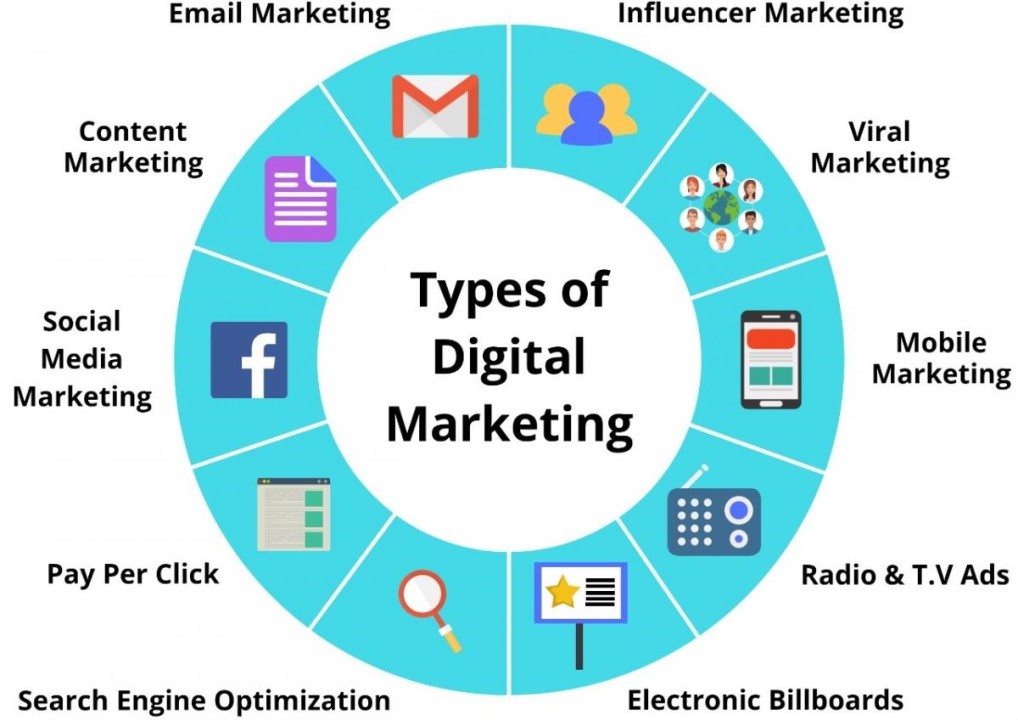
The Various Types of Digital Marketing Strategies
Digital marketing has become an essential component of any successful business strategy in today’s fast-paced digital world. With the ever-evolving landscape of online platforms and technologies, it’s crucial for businesses to understand and utilise different types of digital marketing strategies to reach their target audience effectively. Here are some key types of digital marketing that businesses can leverage to enhance their online presence:
Search Engine Optimization (SEO)
SEO is the process of optimising a website to improve its visibility on search engines like Google. By incorporating relevant keywords, creating high-quality content, and building backlinks, businesses can increase their organic search traffic and rank higher in search engine results pages (SERPs).
Pay-Per-Click Advertising (PPC)
PPC advertising involves placing ads on search engines or social media platforms and paying a fee each time a user clicks on the ad. This type of digital marketing allows businesses to reach a targeted audience quickly and drive traffic to their website through sponsored listings.
Social Media Marketing
Social media marketing involves using social media platforms like Facebook, Instagram, Twitter, and LinkedIn to promote products or services. By engaging with followers, sharing valuable content, and running targeted ads, businesses can build brand awareness, drive traffic, and generate leads through social media channels.
Content Marketing
Content marketing focuses on creating and distributing valuable content to attract and engage a target audience. This can include blog posts, videos, infographics, podcasts, and more. By providing relevant and informative content, businesses can establish themselves as industry leaders and build trust with their audience.
Email Marketing
Email marketing involves sending personalised messages to a list of subscribers with the goal of promoting products or services, nurturing leads, and building customer relationships. By segmenting email lists, crafting compelling subject lines, and delivering valuable content, businesses can drive conversions through targeted email campaigns.
Influencer Marketing
Influencer marketing involves collaborating with influential individuals on social media to promote products or services to their followers. By partnering with influencers who align with their brand values and target audience, businesses can leverage the influencer’s credibility and reach to increase brand awareness and drive sales.
By incorporating a mix of these digital marketing strategies into their overall marketing plan, businesses can effectively reach their target audience online, drive engagement, increase brand visibility, and ultimately achieve their business goals in today’s competitive digital landscape.
Exploring the Top 9 Advantages of Digital Marketing Strategies
- 1. Increased brand visibility across online platforms.
- 2. Targeted reach to specific audiences based on demographics, interests, and behaviours.
- 3. Cost-effective compared to traditional marketing methods.
- 4. Real-time tracking and analytics for measuring campaign performance.
- 5. Ability to adjust strategies quickly based on data insights and trends.
- 6. Enhanced engagement with customers through interactive content and personalised messaging.
- 7. Global reach to potential customers beyond geographical boundaries.
- 8. Improved conversion rates through targeted advertising and tailored messaging.
- 9. Opportunity to build long-lasting relationships with customers through consistent communication.
Challenges in Digital Marketing: Navigating Competition, Change, and Uncertainty
- 1. High competition
- 2. Constant changes
- 3. Ad fatigue
- 4. Data privacy concerns
- 5. Skill requirements
- 6. Return on investment (ROI) uncertainty
1. Increased brand visibility across online platforms.
One significant advantage of leveraging various digital marketing strategies is the increased brand visibility across online platforms. By utilising techniques such as search engine optimisation (SEO), pay-per-click advertising (PPC), social media marketing, and content marketing, businesses can enhance their online presence and reach a broader audience. Consistent and targeted digital marketing efforts help to ensure that a brand’s message is seen by potential customers on different online channels, leading to improved brand recognition and awareness in the competitive digital landscape.
2. Targeted reach to specific audiences based on demographics, interests, and behaviours.
One significant advantage of digital marketing is the ability to achieve targeted reach to specific audiences based on demographics, interests, and behaviours. By leveraging data analytics and online targeting tools, businesses can tailor their marketing messages to resonate with a particular group of individuals who are more likely to be interested in their products or services. This precision targeting ensures that marketing efforts are directed towards those most likely to convert, resulting in higher engagement rates, increased ROI, and a more efficient use of marketing resources.
3. Cost-effective compared to traditional marketing methods.
One significant advantage of digital marketing is its cost-effectiveness when compared to traditional marketing methods. Digital marketing allows businesses to reach a larger audience at a fraction of the cost of traditional advertising channels such as print, TV, or radio. With targeted online campaigns, businesses can allocate their budget more efficiently, track their return on investment in real-time, and adjust their strategies as needed to maximise results. This affordability aspect of digital marketing makes it an attractive option for businesses looking to make the most of their marketing budget while reaching a wider and more engaged audience in the digital realm.
4. Real-time tracking and analytics for measuring campaign performance.
One significant advantage of utilising various digital marketing types is the ability to access real-time tracking and analytics for measuring campaign performance. By leveraging advanced tools and technologies, businesses can monitor the effectiveness of their digital marketing efforts in real time, gaining valuable insights into key metrics such as website traffic, conversion rates, engagement levels, and more. This data-driven approach allows businesses to make informed decisions, optimise their strategies on the go, and allocate resources more effectively to maximise ROI. The ability to track and analyse campaign performance in real time empowers businesses to adapt quickly to changing market conditions and customer preferences, ultimately leading to more successful and impactful digital marketing campaigns.
5. Ability to adjust strategies quickly based on data insights and trends.
One significant advantage of digital marketing is the ability to swiftly adapt strategies based on data insights and emerging trends. By leveraging analytics tools and monitoring key performance indicators, businesses can gather valuable data on consumer behaviour, campaign performance, and market trends. This data-driven approach enables businesses to make informed decisions, identify areas for improvement, and adjust their strategies in real-time to maximise results. With the flexibility to pivot quickly based on data insights and trends, digital marketers can stay agile and responsive in an ever-changing digital landscape, ultimately driving better outcomes for their campaigns.
6. Enhanced engagement with customers through interactive content and personalised messaging.
One significant advantage of digital marketing is the ability to enhance engagement with customers through interactive content and personalised messaging. By creating interactive experiences such as quizzes, polls, and live chats, businesses can capture the attention of their audience and encourage active participation. Additionally, personalised messaging tailored to individual preferences and behaviours can create a more meaningful connection with customers, leading to increased brand loyalty and customer satisfaction. This personalised approach not only boosts engagement but also helps businesses build stronger relationships with their target audience, ultimately driving conversions and long-term success in the digital realm.
7. Global reach to potential customers beyond geographical boundaries.
One significant advantage of digital marketing is its ability to provide businesses with a global reach to potential customers beyond geographical boundaries. Through online platforms and tools, businesses can target and engage with audiences worldwide, breaking down traditional barriers of location and time zones. This expanded reach allows businesses to tap into new markets, increase brand awareness on a global scale, and drive international sales opportunities. By leveraging digital marketing strategies effectively, businesses can connect with diverse audiences across different regions, cultures, and languages, opening up endless possibilities for growth and expansion in the global marketplace.
8. Improved conversion rates through targeted advertising and tailored messaging.
One significant advantage of utilising various digital marketing types is the ability to improve conversion rates through targeted advertising and tailored messaging. By leveraging data-driven insights and analytics, businesses can identify their target audience’s preferences, behaviours, and demographics to create personalised marketing campaigns that resonate with potential customers. This tailored approach not only increases the likelihood of capturing the audience’s attention but also enhances the chances of converting leads into loyal customers. With targeted advertising and customised messaging, businesses can deliver relevant content to the right audience at the right time, leading to improved conversion rates and ultimately driving business growth.
9. Opportunity to build long-lasting relationships with customers through consistent communication.
One significant advantage of utilising various digital marketing types is the opportunity it provides for businesses to cultivate enduring relationships with their customers through consistent communication. By engaging with customers across different online platforms, such as social media, email marketing, and content creation, businesses can establish trust, loyalty, and rapport with their audience over time. This consistent interaction allows businesses to better understand their customers’ needs and preferences, tailor their marketing efforts accordingly, and ultimately foster strong, long-lasting relationships that drive customer retention and brand advocacy.
1. High competition
In the realm of digital marketing, one significant drawback is the high level of competition that businesses face. With digital marketing channels becoming increasingly saturated with competitors vying for attention, standing out and reaching target audiences has become a daunting challenge. The abundance of brands and businesses competing for online visibility can make it difficult for smaller or newer entities to gain traction and make a lasting impact in the digital space. As a result, businesses must constantly innovate and refine their strategies to cut through the noise and effectively engage with their target audience amidst fierce competition.
2. Constant changes
One significant drawback of digital marketing is the constant changes in trends and algorithms. The ever-evolving nature of digital marketing means that businesses must continuously adapt their strategies to keep up with the latest developments. From algorithm updates on search engines to shifting consumer behaviours on social media platforms, staying relevant in the digital landscape requires businesses to be agile and responsive. Failure to adapt quickly to these changes can result in missed opportunities and decreased effectiveness of digital marketing efforts.
3. Ad fatigue
Ad fatigue is a significant drawback of digital marketing strategies. When consumers are bombarded with an excessive number of digital ads, they can experience ad fatigue, causing them to become desensitised and less responsive to advertising messages. This overexposure can lead to a decline in the effectiveness of advertising campaigns, as consumers may start to ignore or actively avoid ads altogether. Ad fatigue highlights the importance of striking a balance between reaching target audiences through digital marketing channels and ensuring that the frequency and relevance of ads do not overwhelm or alienate potential customers.
4. Data privacy concerns
In the realm of digital marketing, a significant drawback lies in the realm of data privacy concerns. As businesses intensify their data collection and targeting practices to refine their marketing strategies, a parallel rise in apprehensions regarding consumer privacy and data security is becoming evident. The increased access to personal information raises ethical questions about how this data is being utilised and shared, leading to a growing need for stricter regulations and transparency in digital marketing practices to protect individuals’ privacy rights.
5. Skill requirements
Implementing effective digital marketing strategies can be challenging due to the skill requirements involved. Businesses often need specialised expertise in areas such as SEO, PPC advertising, social media marketing, content creation, and data analysis to execute successful campaigns. Acquiring these skills can be costly, as businesses may need to invest in training or hire experienced professionals. Additionally, finding individuals with the right expertise in digital marketing can be a daunting task in a competitive job market. This con highlights the importance of recognising the skill requirements and considering the potential costs and challenges associated with implementing digital marketing strategies effectively.
6. Return on investment (ROI) uncertainty
One significant drawback of digital marketing types is the uncertainty surrounding Return on Investment (ROI) measurement. Evaluating the effectiveness and profitability of digital marketing campaigns can be intricate and unpredictable, posing a challenge for businesses in assessing the success of their efforts. The dynamic nature of online platforms, evolving consumer behaviours, and various metrics involved in ROI calculations contribute to the complexity of determining the actual returns generated from digital marketing initiatives. This uncertainty in ROI measurement can hinder businesses from making informed decisions and optimising their strategies for maximum impact and profitability.
Leave a Reply